Lessons from the Laugavegur: Trail Tips for a Smooth Hike
The trail itself wasn’t the hard part — the planning decisions were. And this time, they held up. Most of these Laugavegur trail tips come down to one simple thing: planning that actually worked once we were on the trail.
Overall, the hike felt smooth — not because it was easy, but because we’d learned from previous trips what tends to unravel on multi-day hikes and made better decisions before we ever arrived in Iceland.
Our preparation really paid off once we were actually hiking the Laugavegur Trail. From packing and gear to where we spent our time, most of our choices worked exactly as intended, even when weather and conditions tested them. This post isn’t about hiking the trail perfectly — it’s a reflection on what I’d confidently repeat, what I’d rethink next time, and my top tips to make the experience feel manageable instead of stressful.
Some links on this page are affiliate links, which may earn us a small commission at no extra cost to you. We only recommend what we genuinely use or trust. Thank you for for supporting our blog.
What I’d Do the Same on the Laugavegur
Planning the Laugavegur involves a lot of decisions, both big and small. There’s no one thing that makes a trip like this perfect, but some of the smaller details tend to matter more than you expect once you’re on the trail.
Our Layering System (Proven in Real Weather)
I second-guessed my waterproof outer layers from the moment I bought them until the moment I needed them most.
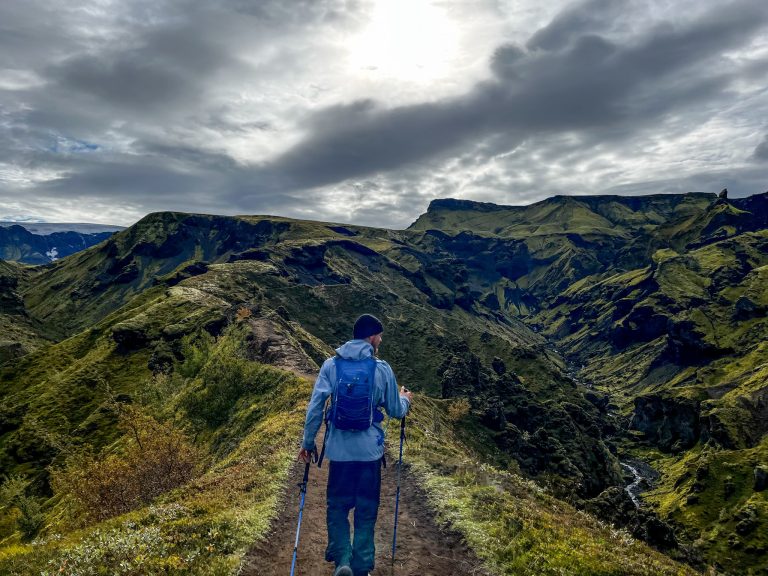
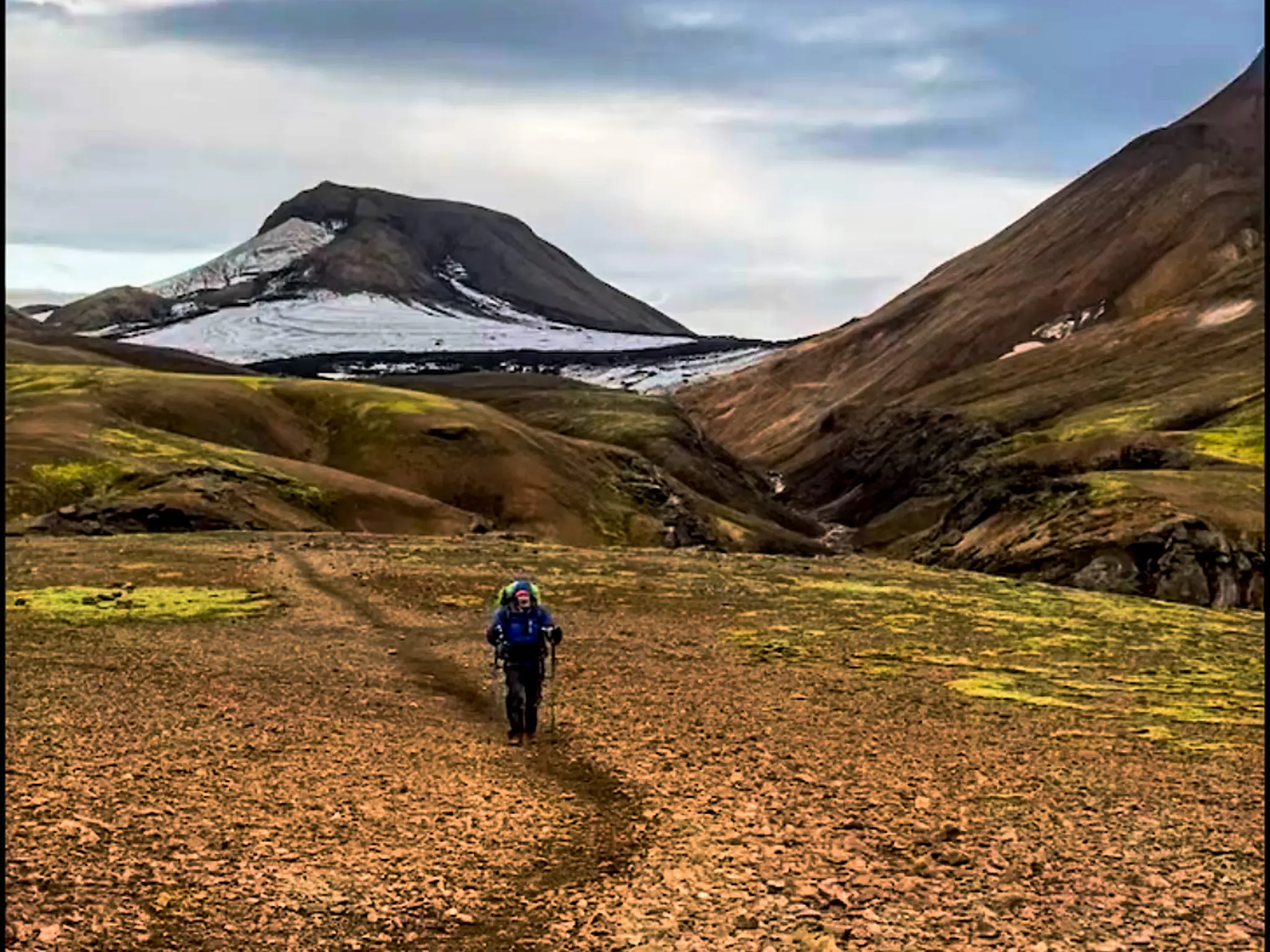
Fimmvörðuháls delivered the worst weather we’ve ever hiked in — heavy rain, gusting wind, sustained exposure — and my layers did exactly what they were supposed to do. When I pulled them off at the end of the hike, I was completely dry. If I could only have one premium piece of gear on this trip it would be breathable, 3 L outer layers.
If you’re curious how we built a layering system that actually worked in conditions like that, I walk through it step by step in how to layer clothes for hiking.
🔥 We Use This: Waterproof Layers
This is what we wore. Other brands like Patagonia also have quality rain gear. I recommend something that is a 3 layer.
Women’s Outdoor Research 3L Aspire Rain Jacket
👉🏾 Buy at: Amazon USA | Amazon Canada | REI
Men’s Outdoor Research 3L Foray Rain Jacket
👉🏾 Buy at: Amazon USA | Amazon Canada | REI
Women’s Outdoor Research Stratoburst Rain Pants
👉🏾 Buy at: Amazon USA | Amazon Canada | REI
Men’s Women’s Outdoor Research Stratoburst Rain Pants
👉🏾 Buy at: Amazon USA | Amazon Canada | REI
Camping for Flexibility
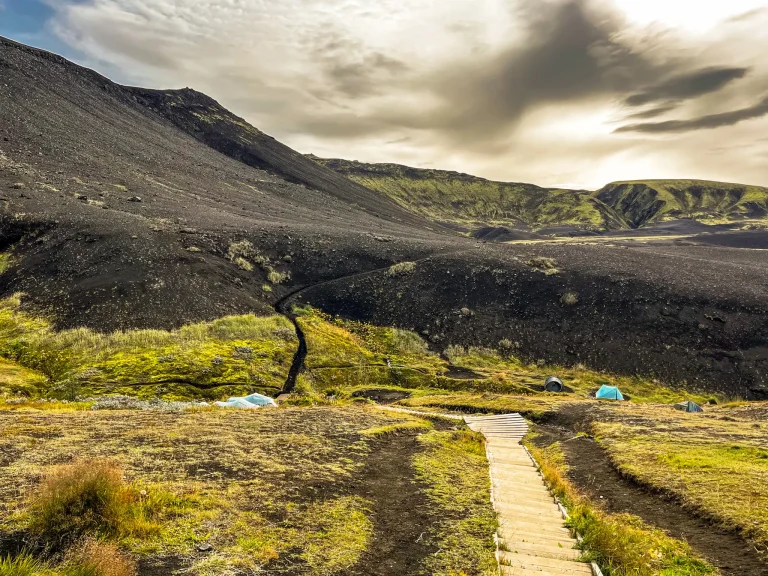
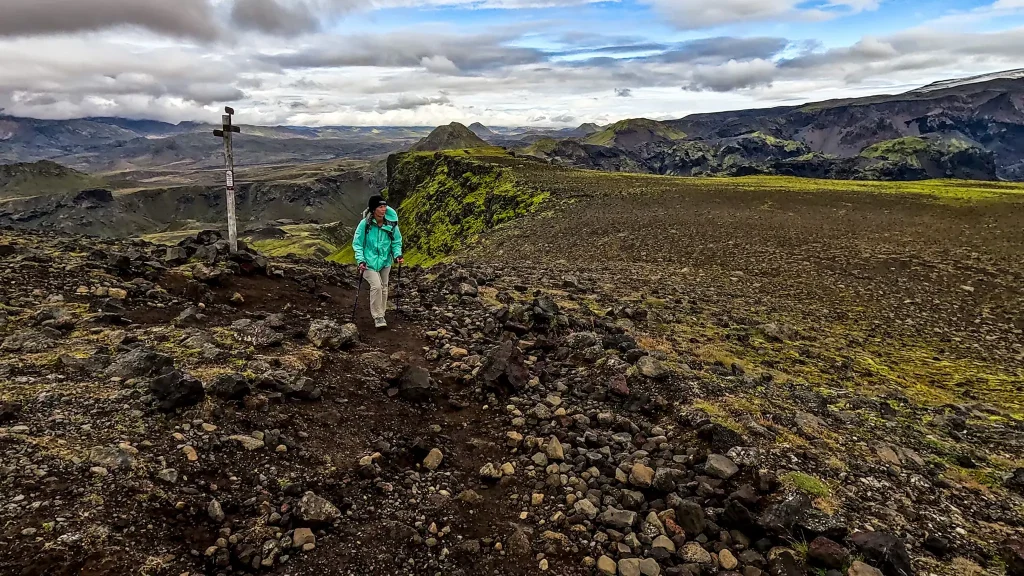
Camping isn’t the right choice for everyone, and that’s okay. But for us it was a big win thanks to the flexibility it gave us.
Although reservations are now required for both camping and huts, camping still offers far more flexibility than hut stays. Camping reservations can be transferred between campgrounds if weather, fatigue, or injury causes unexpected delays. In our case, all three came into play — and that flexibility allowed us to adapt in real time while keeping everyone as safe and comfortable as possible.
Bringing Some Food from Home
Packing select food items from home significantly reduced how much we had to buy in Iceland — especially lightweight, familiar staples we knew we’d actually eat i.e granola bars, cereal, oatmeal, protein bars, trail mix, pasta, dehydrated meals, etc.
That said, this only works if you’re aware of Iceland’s import restrictions, particularly if you’re arriving from outside the Schengen Area. Planning this ahead of time matters.
🥾 Free Laugavegur Budget Planner
Plan your Laugavegur hike with real numbers instead of guesswork. This free budget planner helps you track expenses, convert ISK to your home currency, and split costs by hiker so you know what the trip will actually cost while you’re planning it.
Food Thermos
A food thermos made it easy to refuel properly mid-hike. It meant a hot, substantial meal was ready the moment we stopped, without needing to cook.
On long days or in poor weather, that kind of efficiency matters more than comfort — it keeps breaks short, refuelling easy, and energy levels steady.
🔥 We Use This: Food Thermos
👉🏾 Buy at: Amazon USA | Amazon Canada | REI
Upgrading Our Sleeping Pads Before the Trip
Upgrading to lighter, more compact sleeping pads was absolutely worth it. We used Nemo Tensor pads and Big Agnes Rapide SL, which:
- Took up less space
- Reduced pack weight
- Insulated well for cold, damp conditions
🔥 We Use These: Sleeping Pads
NEMO Tensor All Season: Amazon USA | Amazon Canada | REI
Big Agnes Rapide SL: Amazon USA | Amazon Canada | REI
📌 Pro Tip: While wide sleeping pads are more comfortable, regular-width pads are often the better choice for backcountry trips thanks to their lighter weight and smaller packed size.
Our Laugavegur packing list includes the specific gear we used, along with top picks and budget-friendly alternatives.
Pack Smarter. Hit the trail prepared.
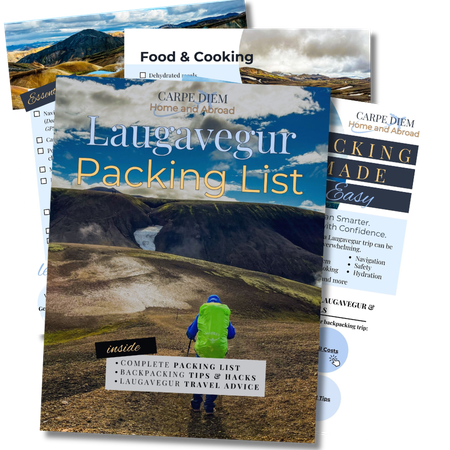
🥾 Free Laugavegur Packing List
This free packing list includes backpacking essentials, gear recommendations, and practical tips to help you pack confidently for the Laugavegur Trail and Iceland’s unpredictable weather.
Building in Time at Landmannalaugar Before Starting
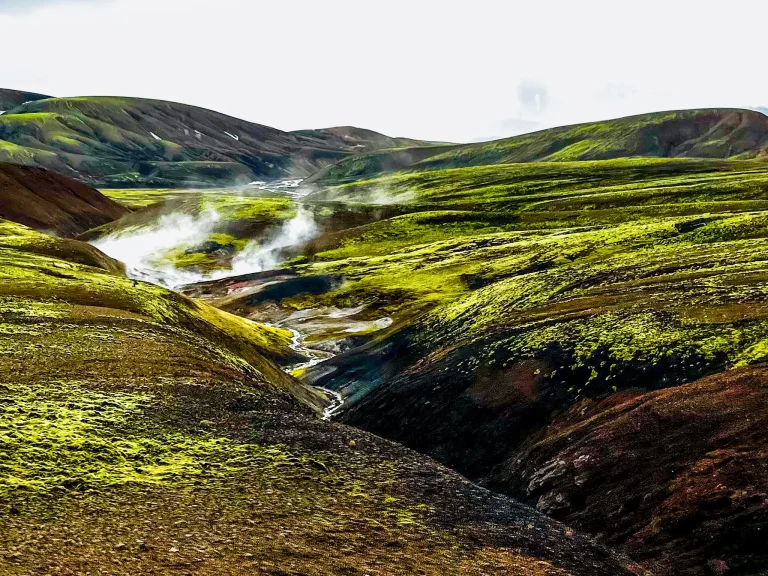
We enjoyed our time at Landmannalaugar before we started the hike with hot springs, day hikes, and a stop at Sigöldugljúfur Canyon on the way up. Bláhnúkur and Brennisteinsalda is a popular day hike with stunning views of the rhyolite mountains.
Bláhnúkur
Trail Name: Bláhnúkur
Distance: ~6 km round trip
Elevation Gain: ~350 m
Time Needed: 2–3 hours
Difficulty: Moderate
Trail Type: Out-and-back
Access Notes:
Trailhead starts directly from Landmannalaugar campground.
Brennisteinsalda
Trail Name: Brennisteinsalda
Distance: ~6–7 km loop (varies by route)
Elevation Gain: ~300–350 m
Time Needed: 2–3 hours
Difficulty: Moderate
Trail Type: Loop
Access Notes:
Starts near Landmannalaugar
The trails can be hiked together or separately
AllTrails Map

Not sure if you want to drive yourself or take one of the highland buses to the trail? We lay out all the transportation options for getting to and from the Laugavegur.
Talk to the Wardens if You’re Unsure about Anything
If you’re unsure about conditions, routes, or crossings, talk to the warden. When we arrived in Þórsmörk, the Krossa River was running unusually high and fast. The warden gave us excellent, situation-specific advice on when to cross, which made a stressful decision much safer and more straightforward.
Wardens see these conditions every day — their guidance is one of the most underused resources on the trail.
Max Out Your Rental Car Insurance If Driving to Landmannalaugar
If you’re driving yourself to Landmannalaugar, full insurance coverage is worth it — especially gravel protection and undercarriage coverage. Highland roads are rough, unpredictable, and hard on vehicles, even when driven carefully. While it adds additional upfront costs, it can significantly lower your final trail costs by reducing unexpected expenses. If driving in the highlands, damage should be anticipated.
📌 Pro Tip: “Full coverage” doesn’t mean the same thing with every rental company. Always double-check gravel and undercarriage protection before booking.
🔥 We Use This:
We used Discovercars.com to book a Dacia Duster through Konvin. Konvin offered excellent insurance that was well worth the extra money.
What I’d Do Differently Next Time
Overall, we were really happy with how the trip went. These aren’t major regrets or mistakes — just a few small details we overlooked that would have made the experience even smoother.
Start Earlier on Day 1
We hiked all the way to Álftavatn on Day 1. Although it was a long day, it was completely manageable — the issue wasn’t distance, it was timing.
Because we started late, we arrived late. Craig and I both felt like we missed out on the lake and the chance to actually enjoy where we ended the day.
Next time, I’d aim for an earlier start so arrival feels like part of the experience, not just the end of a push — especially in places like Álftavatn, which are a big part of what makes the Laugavegur so popular.
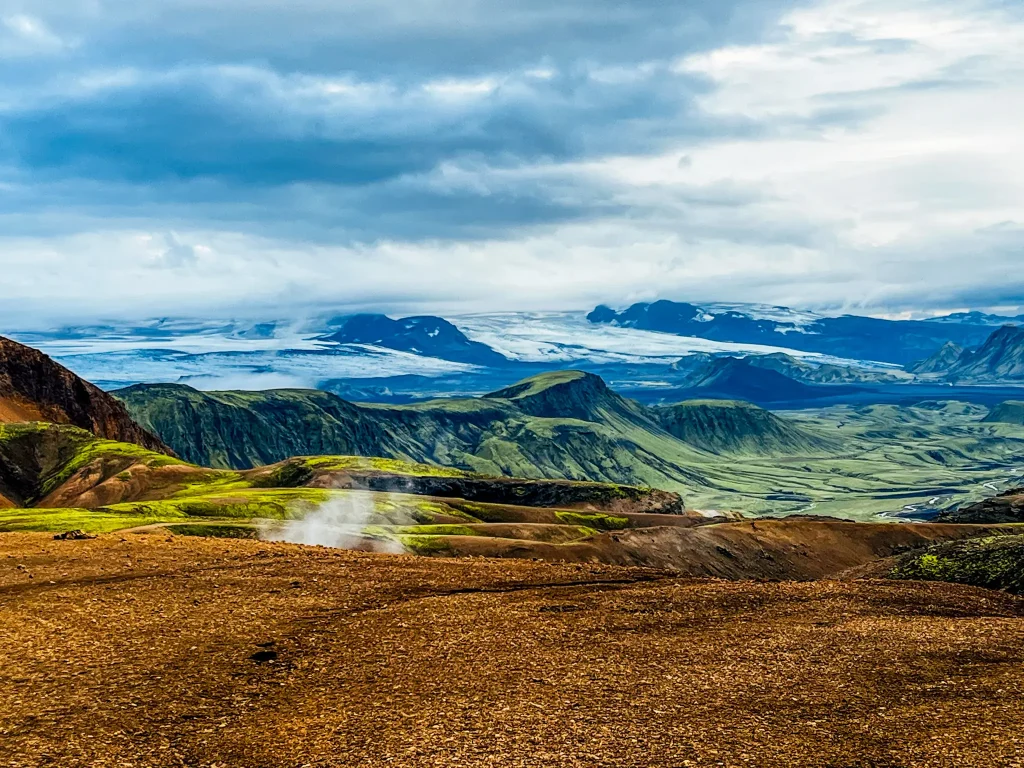
Start Fimmvörðuháls Earlier — Even in Good Weather
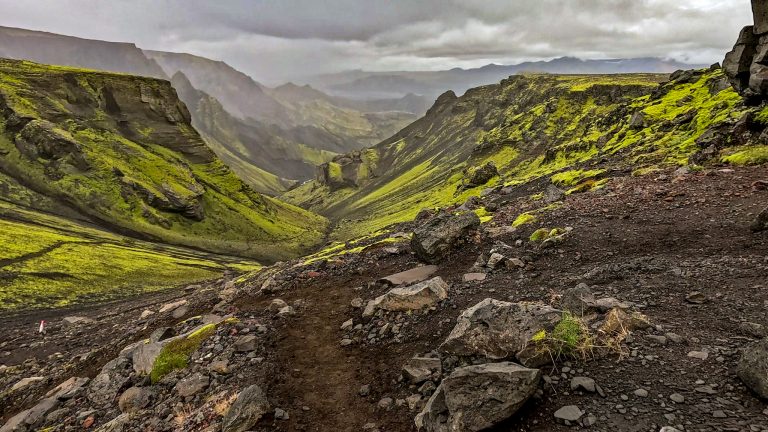
The weather was beautiful when we left, so we enjoyed a slow start to the morning. But by the time we reached the pass, a major storm was clearly brewing.
Lesson learned:
Start early on exposed days — even when conditions look perfect. Iceland weather doesn’t negotiate, and it can change without warning. If you’re considering adding this section to your hike, it helps to understand what to expect if you add Fimmvörðuháls.
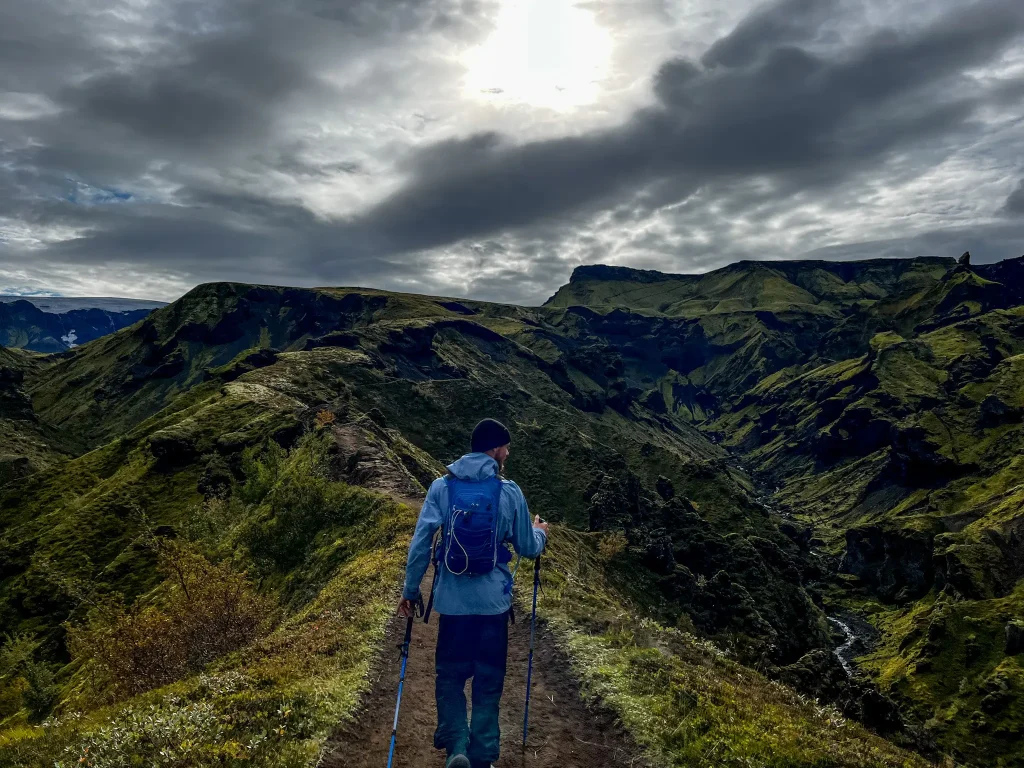
Fuel Better for Big Climbs (More Carbs, Less Protein)
This is one I’d absolutely change.
We packed too much protein and not enough fast-burning carbs, especially for:
- Day 1’s sustained climb
- The long uphill push on Fimmvörðuháls
At the time I didn’t understand the dynamics of proper fuelling for high elevation hikes: protein is for recovery, and carbs are for energy. So when I started feeling sluggish, I tried eating protein bars for a pick me up. Spoiler alert: it didn’t work. Next time, I’d prioritize simple carbs for energy when it actually matters.
Not Miss the Canyon Near Emstrur
We completely missed the canyon near Emstrur — not because it was hard to reach, but because we didn’t know it was there. From what I read afterwards, it’s a short, easy hike with amazing views.
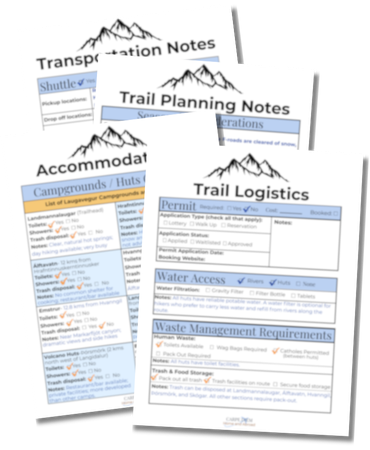
If you’re concerned about gaps in your research or you just want to be trail ready without hours of research our Laugavegur Trail Planner has all the information you need in one easy download.
Plan Smarter.
Hike with Confidence.
🥾 Complete Laugavegur Planner
Laugavegur involves more than daily distance. Camps, weather, transport, and gear all factor in. The Complete Laugavegur Planner helps you organize it all and start the trail prepared.
Plan Smarter.
Hike with Confidence.
🥾 Complete Laugavegur Planner
Laugavegur involves more than daily distance. Camps, weather, transport, and gear all factor in. The Complete Laugavegur Planner helps you organize it all and start the trail prepared.
Dial in Footwear Across the Whole Group
I loved my new Hoka Speedgoats and they performed beautifully across the entire Laugavegur Fimmvörðuháls trek. But Craig and Sarah didn’t have footwear that worked as well for them, and by the time we reached Þórsmörk, they were ready to call it quits.
Footwear issues don’t always show up on Day 1, but they compound fast on a trail like this.
🔥 We Use This: HOKA Speedgoat Trail Runners
The HOKA Speedgoats are designed for wet, uneven terrain, with strong grip and cushioning that holds up over long days under load. On a trail like the Laugavegur, with volcanic grit, mud, and sustained climbs, those features matter.
Women’s Speedgoats: Amazon USA | Amazon Canada | REI
Men’s Speedgoats: Amazon USA | Amazon Canada | REI
Footwear for river crossings matters too. Never cross rivers barefoot — sharp rocks can easily cut your feet.
Prebook Parking at Landmannalaugar
If you’re driving to Landmannalaugar, pre-booking parking with the Parka app is worth it. We weren’t able to park in the main lot and ended up parking about 300 metres away — not a dealbreaker, but inconvenient when you’re carrying full packs and doing final gear checks. During peak season this becomes even more important.
Final Thoughts
Once the big pieces are in place — transportation booked, reservations secured — it’s often the small details that determine how smooth a trip actually feels. Most of these Laugavegur trail tips aren’t about major route decisions, but about the practical choices that tend to get overlooked: timing, pacing, gear, food, layers, and leaving room to adapt when conditions change.
Those smaller decisions are what turn a demanding hike into a manageable one. When they’re thought through ahead of time, you spend less energy problem-solving on the trail and more time paying attention to where you are. On a route like the Laugavegur Trail, that makes a meaningful difference day after day.
More than anything, this hike was a reminder that we are deeply blessed and privileged to be able to walk through a place like the Laugavegur Trail. This landscape places God’s creative handiwork on full display — shaped by fire, ice, and time in ways that demand both humility and awe. With the big logistics handled and the small details thoughtfully in place, there was room to slow down, to notice, and to be present in a place that feels far bigger than ourselves. That combination of preparation and gratitude is what turned this hike into something truly meaningful.
Want help planning the details?
If you want help thinking through the many decisions that shape a Laugavegur hike — pacing, food, layers, campsite logistics, transportation options, and how it all fits together — the Laugavegur Planning Guide is designed for that. It’s a flexible planning tool, not a rigid itinerary, built to help the trip feel smoother once you’re on the trail.