So, How Hard Is Havasupai Really?
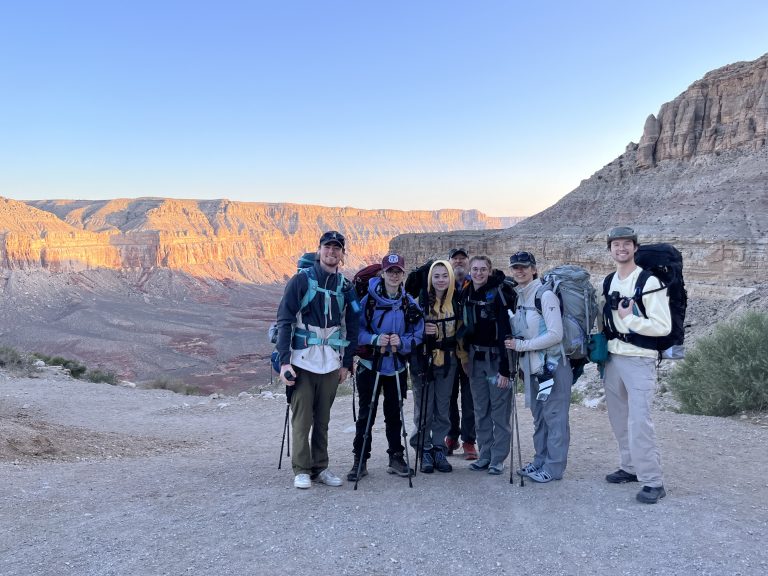
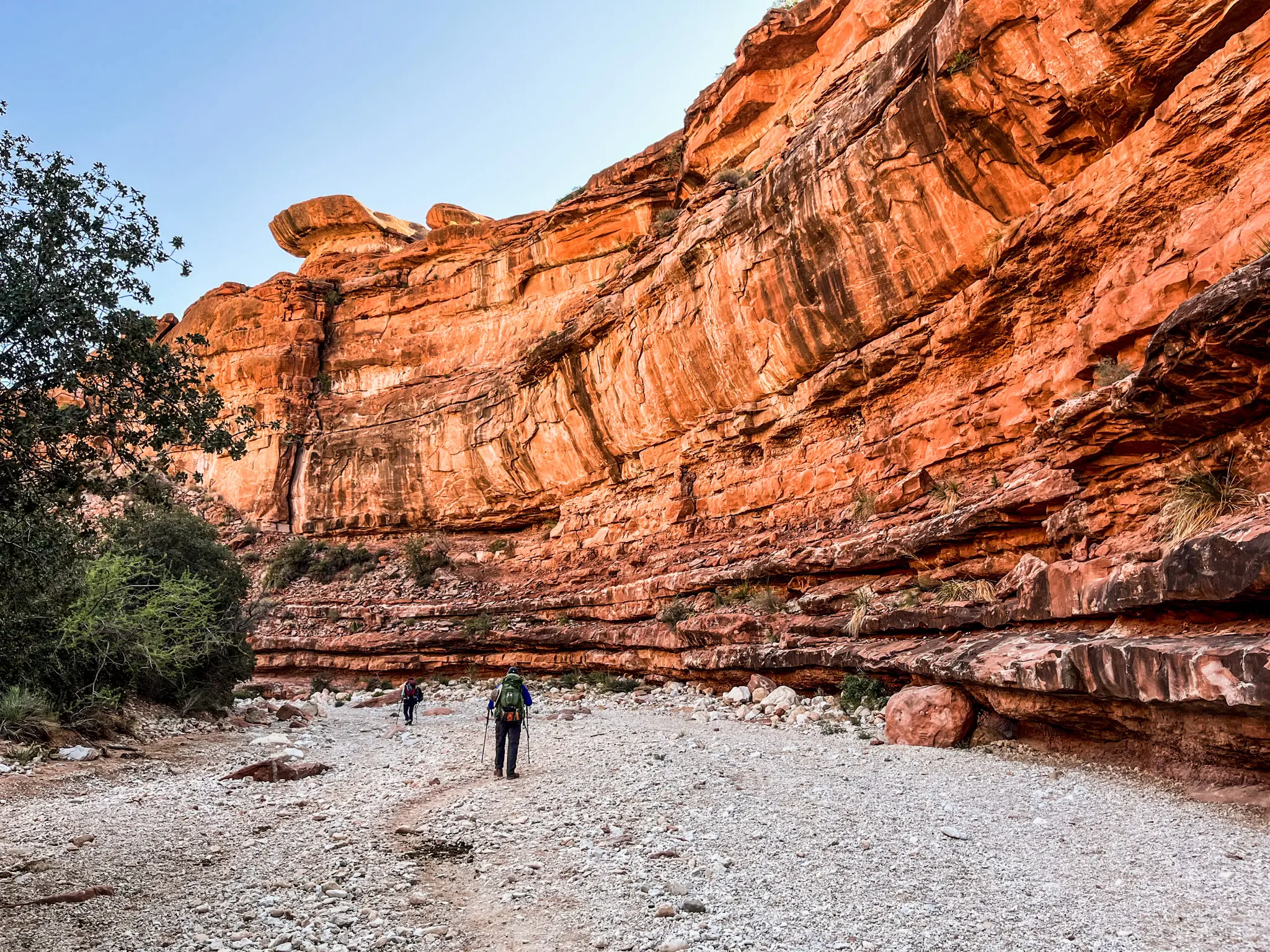
How hard is Havasupai? That was the question hanging over our group as we started planning our Havasupai trip. We were seven people, ages 15 to 51, all carrying full packs—and not one of us truly trained for Havasupai. Our group had mixed abilities, different hiking speeds, and varying levels of strength and endurance. We all had our own challenges and moments of complete overwhelm on the trail, yet every one of us finished the hike.
None of us trained properly for Havasupai, and that shaped how hard the hike felt. We were reasonably new to backpacking, and this hike wasn’t easy for our group. But it was manageable—even with mistakes. The challenge of Havasupai builds quietly, mile by mile, and the trail has a way of exposing small gaps in preparation.
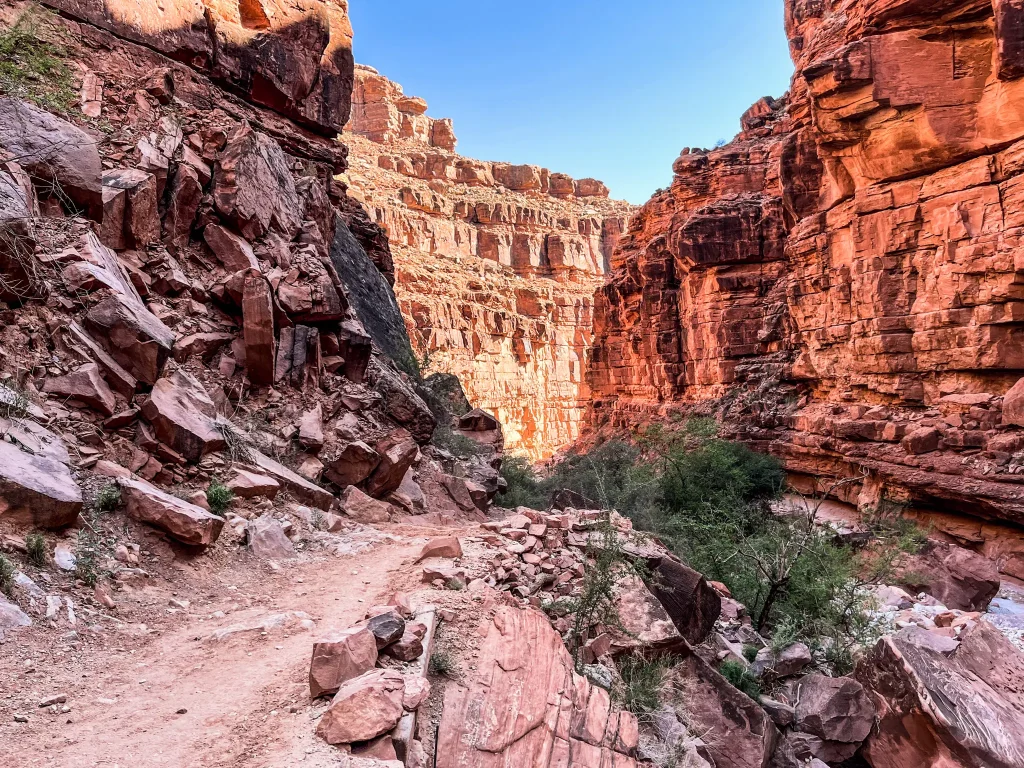
What became clear by the time we hiked out was how much fueling, pack fit, pacing, and training really matter. Havasupai exposed how much those details affect not just comfort, but confidence—especially during the final stretch of the climb out of the canyon.
TL;DR — How Hard Is Havasupai?
With realistic expectations, proper preparation, and respect for your limits, Havasupai is achievable and deeply rewarding.
- Havasupai is hard, but doable for beginners — even without being “super fit.”
- The hike is long and exposed, not technical. Distance, heat, and pack weight matter more than skill.
- The first two miles in are tough on the knees due to steep downhill switchbacks.
- The last two miles out are the hardest overall: hot, exposed, uphill, and fatigue, low water, and low energy hit hardest here.
- Our group of 7 hikers (ages 15–51) all completed the hike carrying full packs, despite limited training and experience.
- Most challenges come from lack of preparation
- Early starts are critical to avoid heat and manage the climb in and out safely.
Trail Stats – With Context
Havasupai Trailhead to Campground
Distance: 16 km (10 mi) one way
Elevation change: ~730 m (2400 ft) descent in / ascent out
Time needed: 4-7 hours going in; 5-7+ coming out
Terrain: Non-technical desert trail (dirt, sand, loose rock)
Trail type: Out-and-back canyon hike
AllTrails Map (to Supai Village)
On paper, the numbers don’t look extreme. But how those miles are distributed — and when you’re hiking them — makes a big difference.
The First Two Miles In: Easy on the Lungs, Hard on the Knees
The hike into the Havasupai Trail starts with a steep descent through switchbacks. Endurance isn’t the issue here — gravity does most of the work — but the downhill can be hard on the body in a different way.
Craig felt every step of those switchbacks in his knees. With a full pack and a long descent ahead, the impact adds up quickly, especially if you’re not used to sustained downhill hiking. It’s an early reminder that even though the trail isn’t technical, it’s still demanding.
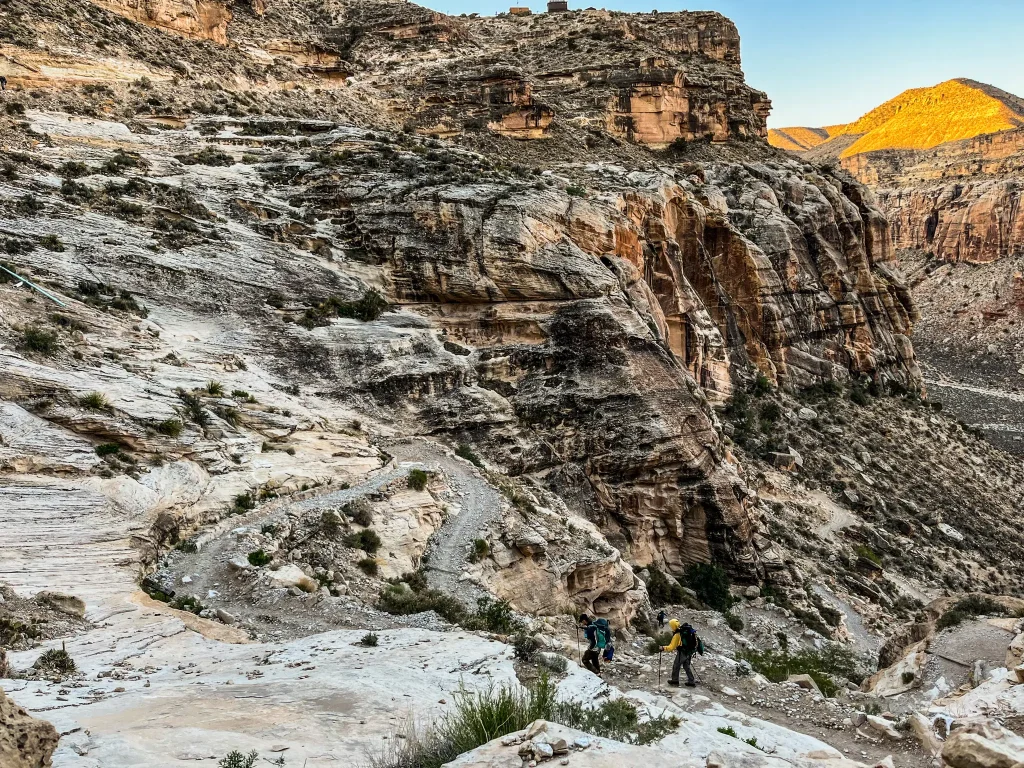
Once you reach the canyon floor, the trail settles into a long, steady walk. It’s straightforward, but it’s also exposed and unrelenting.
Heat, Exposure, and a Heavy Pack
This is a desert hike, and timing matters. We started early (around 6 a.m. on the way in), which meant cooler temperatures and some shade from the canyon walls. That shade doesn’t last. By late morning, it disappears entirely, and the trail becomes fully exposed.
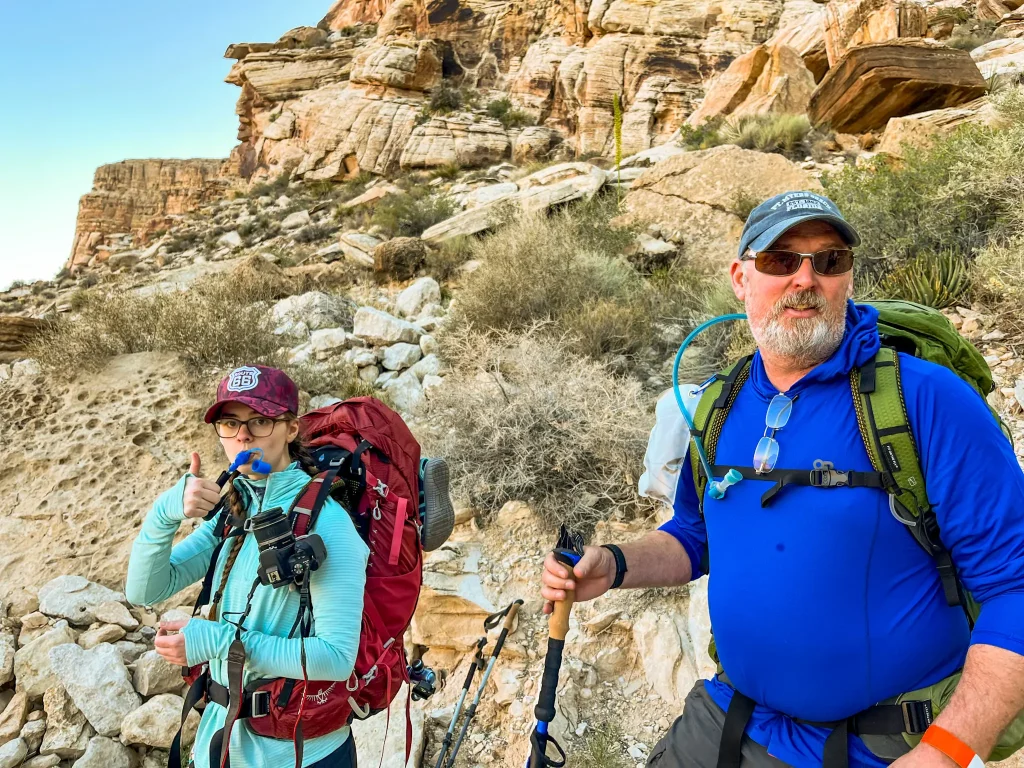
There’s also no water source before the village, which means your pack is heavier than usual. Every litre of water adds weight, and carrying that extra load for miles in the heat changes how the hike feels — even for strong hikers.
The Last Two Miles Out: Where Everything Adds Up
Without doubt, the last two miles out of the canyon are the hardest part of the entire hike.
This section often involves the hottest temperatures of the day, tired legs, and dwindling reserves. The climb is steady and exposed, and by this point, small decisions made earlier start to matter.
An early start is critical. Some of us were on the trail by 2 a.m.; others closer to 4 a.m. All of us knew we needed to be out of the canyon before the sun crested the canyon walls.
Jaimie and Daniel ran out of water during the final stretch. Everyone was low on fuel. The last half kilometre felt more like five. What felt manageable earlier now felt heavy, slow, and both physically and mentally demanding.
That final climb is where Havasupai earns its reputation — not because it’s dangerous or technical, but because it asks you to keep going when you’re already spent.
It’s worth noting that while the last two miles out are the hardest, the hike as a whole isn’t easy. Havasupai is a long trek in desert heat with a full pack. Whether you’re heading in or climbing out, your legs will feel the miles — just in different ways.
“Can You Do It Without Being Super Fit?”
Yes — but with important caveats.
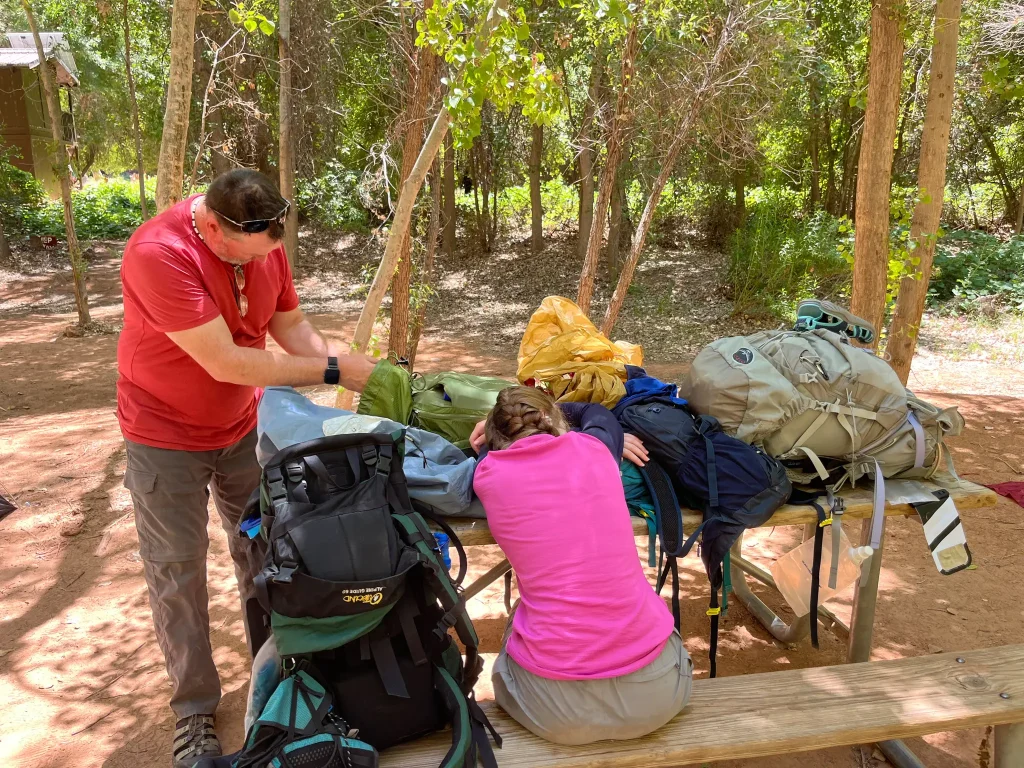
Our group wasn’t made up of elite hikers or endurance athletes. We were all relatively new to backpacking. For each of us this was only our second or third backpacking trip, and none of us trained specifically for the hike. Even so, everyone completed the hike in and out.
But it wasn’t easy. It was hard. Really hard. Even for our strongest hikers.
Joshua and Sarah were the first ones back to the car- 4 hours after they left camp. Despite making excellent time and being naturally athletic, they both confessed that speed did not equal ease. Sarah even said she wanted to cry.
Havasupai is definitely doable for beginners, but it’s not forgiving of shortcuts. Not training ahead of time, not understanding proper fuelling, and not having properly fitting gear doesn’t make the hike impossible—but it does make it a lot harder than it needs to be. The lessons we learned in Havasupai carried forward, and three months later, they made our trek across Iceland’s iconic Laugavegur Trail feel far more manageable.
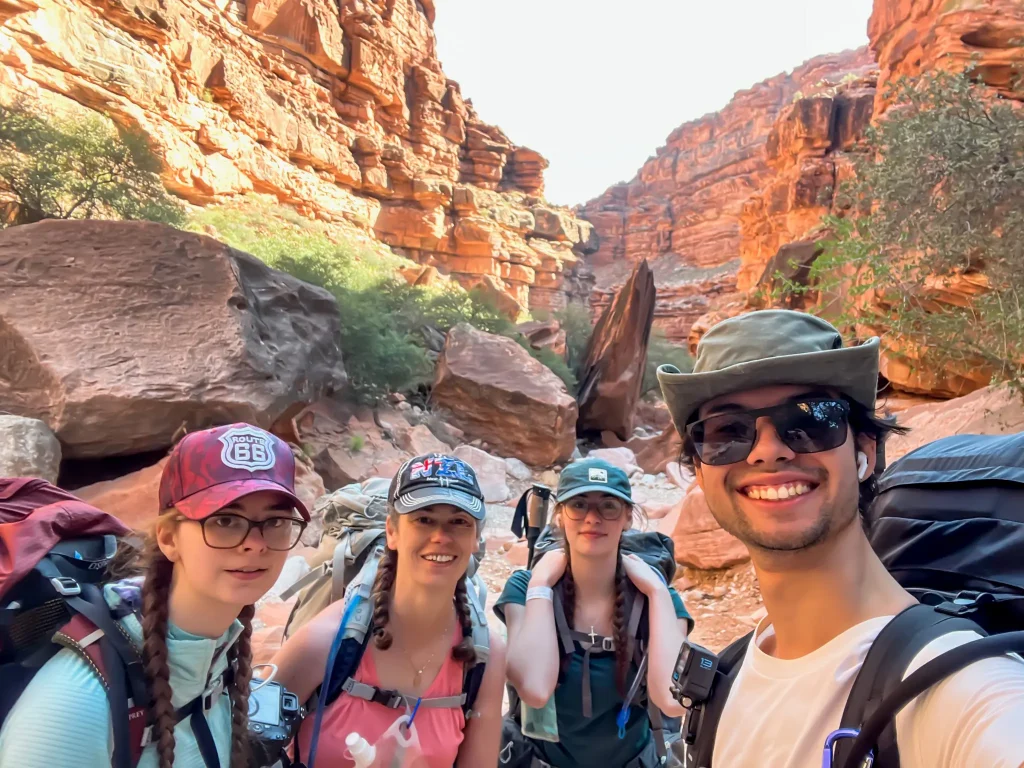
Several of the challenges we faced weren’t about being “out of shape,” but about not yet knowing what this kind of hike demanded from us.
If there’s one takeaway here, it’s this: you don’t need to be super fit to hike Havasupai, but preparation matters far more than people realize. The trail rewards steady effort, realistic expectations, and planning—even if you’re still early in your backpacking journey.
🥾 Ready to start planning your Havasupai trip?
Take the stress out of planning with our Havasupai Backpacking Planner. It’s packed with pre-filled templates, checklists, and real trail info—designed specifically to help you stay organized, confident, and trail-ready.
What I’d Do Differently
Havasupai changed how we approach trips after it — not because it went wrong, but because it revealed where our limits really were.
More preparation beforehand
Craig, Emma, and I all came away knowing we needed to get into the gym and start training for future hikes. Not extreme training, but intentional training — building endurance, leg, back, and shoulder strength, as well as confidence for long days on the trail. Because it’s not just about surviving the trail, it’s about thriving on the trail.
Understand how to fuel well
I also started researching how to properly fuel for demanding hikes. Having the right snacks on the trail — especially carbohydrates — makes a noticeable difference, particularly on long climbs. Running out of energy late in the hike wasn’t about toughness; it was about not understanding how to fuel sustained effort.
Properly fit backpacks
For Joshua, Jaimie, and Sarah poor pack fit created additional problems. Carrying our entire Havasupai packing list in a poorly fitting backpack all the way into the canyon left them sore and bruised. All three of them replaced their backpacks after Havasupai.
Communication on the trail
Another major takeaway for us was communication on the trail. Our group is large, and we naturally spread out into smaller groups as we hike. In places with no cell service, that makes it harder to support each other and stay coordinated.
Whether it’s handling serious situations like running out of water, or more practical things like checking in, finding each other, or knowing when someone needs extra support, communication makes everything easier.
Now, every group carries a walkie talkie so we can stay in touch, provide support when needed, and share important information along the way.
Respect Personal Limits
On our second day in the canyon, Jaimie suffered a head injury. She was able to hike out, but she did so with a concussion. She experienced some pretty significant concussion symptoms on the hike out, making it a much more demanding trek for her than expected.
In hindsight, we should have made arrangements for her to take the helicopter out of the canyon. Knowing and respecting your limits keeps both you and your hiking partners safer.
Just do it
Most important- just do it. The lessons we learn along the way are part of both the magic and the adventure of what we do. If we waited until we were perfectly prepared, we would never experience the trail. Our backpacking journey is full of mistakes, learning, love, blessings, and memories that stay with us long after we leave the trail behind.
Final thoughts on How Hard Havasupai Is
Havasupai wasn’t the hardest hike we’ve ever done, but it was one of the most formative. It showed us what we could handle, where we were underprepared, and how much the experience of a hike is shaped by the choices made before the first step on the trail.
We didn’t come away from Havasupai feeling defeated. We came away wiser — more aware of our limits, more intentional about training and fuelling, and more thoughtful about how we move together as a group. Those lessons carried forward into every trip that followed, shaping how we plan, pack, and support one another on the trail.
If you’re wondering how hard Havasupai really is, the honest answer is this: it’s hard, especially if you’re not prepared, but it’s doable. With preparation, humility, and respect for the environment you’re walking through, it’s a hike that challenges without overwhelming — and teaches without needing perfection.
There’s a quiet gift in that. On the trail you are reminded of what matters: steady effort, good judgment, and looking out for one another. And in a place as beautiful as Havasupai, it’s hard not to feel grateful — for the strength to keep moving, for the people beside you, and for the opportunity to experience creation in such a raw and humbling way.
If you’re still in the planning stage, take the time to prepare well. Not so the hike feels easy — it won’t be easy. But so it feels meaningful, manageable, safe, and rewarding.