
How Much Does It Cost to Hike Havasupai? A Realistic Breakdown
Before the waterfalls, there’s a budget—and it shapes more of your trip than you might expect. It’s no secret that hiking Havasupai is one of North America’s most expensive backpacking experiences.
So before heading into the canyon to experience those turquoise pools firsthand, it’s worth taking a closer look at the full Havasupai trail costs to avoid unwelcome surprises along the way.
The permit is the obvious starting point, but it’s only one piece of what you’ll spend. Transportation, gear, food, accommodations before and after the hike, and extras like pack mules or the helicopter can all shift your total.
These are the expenses that people don’t tend to think about until after the permits are booked.
We intentionally kept our accommodation and transportation costs minimal, but spent more on upgrading gear and keeping meals simple.
Those tradeoffs—like choosing between carrying your own gear or hiring a mule, booking a helicopter or hiking out, or investing in lighter gear to make the miles easier—shape your total more than any single expense. How you prioritize them will quietly influence what you pay overall, and how your time on the Havasupai trail comes together.
In this guide, you’ll see a realistic breakdown of what it actually costs to hike Havasupai, along with where you can adjust your choices depending on your budget and travel style.
Having a place to track and organize your expenses while planning can make a big difference, which is why I put together a free Havasupai budget planner to help you see the full picture.
If you’re still weighing whether this hike is the right fit, that’s a separate decision—but one that’s easier to make when you understand the full cost upfront.
Havasupai Planning at a Glance
This planning overview is designed to help you organize the most important parts of your trip without overcomplicating things
Want everything organized in one place? Explore the Complete Havasupai Planner.
Where to Stay the Night Before:
- Grand Canyon Caverns & Inn
- Hualapai Lodge
- Supai Motel
Important Trail Logistics:
Book Ahead:
- Rental Car- Discovercars
- Travel Insurance- Safety Wing
- eSIM- Saily
Some links on this page are affiliate links, which may earn us a small commission at no extra cost to you. We only recommend what we genuinely use or trust. Thank you for supporting our blog.
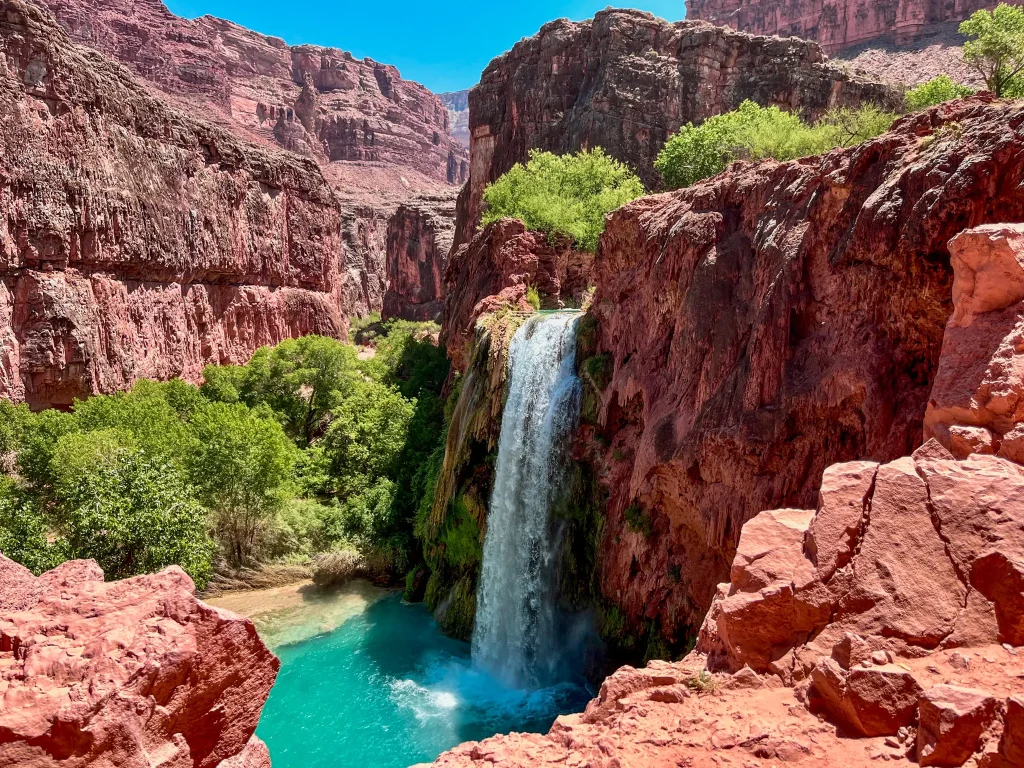
Accommodation: Campground vs Lodge
Where you stay in Havasupai is straightforward—you’ll either be camping in the canyon or staying at the lodge in Supai village. The cost difference matters, but so does how each option shapes your overall experience. In both cases the cost of your permit is built into your accommodation booking, so there are no additional permit costs.
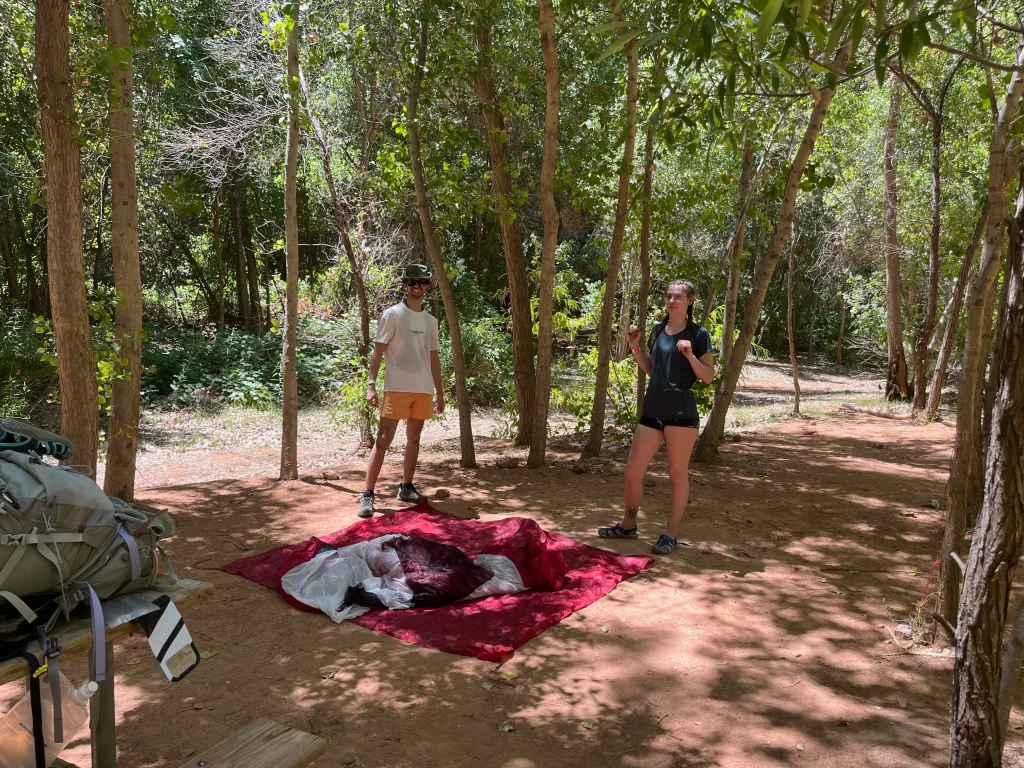
Campground (Central Location to Waterfalls)
- Cost: $455 USD/person for 3 nights (no discount or refund if you stay less nights)
- Open, first-come camping area along Havasu Creek
- Bring all your own gear (tent, sleeping system, etc.)
- Access to water, compost toilets, and a central campground area
- The campground is located between Havasu and Mooney Falls, making it a central base for exploring the waterfalls and hiking further down canyon toward Beaver Falls.
Best For:
- Those who already own backpacking gear or are wanting to invest in gear for future trips
- Groups smaller than 4 that want to minimize accommodation costs
- Those who plan to hike deep into the canyon and want to be based closed to the waterfalls
Budget smarter.
Know the cost before you go.
🥾 Free Havasupai Budget Planner
Plan your Havasupai hike with real numbers instead of guesswork. This free budget planner helps you track expenses, convert USD to your home currency, and split costs by hiker, so you know what the trip will actually cost while you’re planning it, with no unexpected surprises.
Lodge (Very Limited Availability)
- Cost: $2277 USD per room for 3 nights (no discount or refund for less nights)
- Can be shared by up to 4 people
- Books out quickly and can be harder to secure than permits
- Includes air conditioning, two double beds, private bathroom, & shared BBQ facilities
- Located in Supai Village ~ 2 miles from Havasu Falls
Best For:
- Groups of 4 that don’t want to invest in backpacking gear
- Hiker’s who are concerned about the summer heat
Transportation to Havasupai
Getting to Havasupai is often one of the more overlooked parts of the budget. There’s no public transportation to the trailhead, and most people will need to coordinate flights, a rental car, and a short stay before or after the hike.
Flights + Rental Car
Our group of 7 saved some money by driving all the way to the trailhead, which can be a good option if you’re travelling with a larger group. If that’s not realistic for you, you’ll need to coordinate a few moving pieces to reach the trailhead.
- Closest airports: Las Vegas (LAS) and Phoenix (PHX)
- Drive time to trailhead:
- ~3.5 hours from Las Vegas
- ~4 hours from Phoenix
- Rental car typically required
🚗 Car Rental
Comparing prices across platforms like Expedia and Discovercars.com can help you find the best deal.
Gas & Parking
- Gas costs vary depending on your vehicle and route, but they’re easy to overlook when budgeting.
- Parking at the trailhead is free
📌 Pro Tip: The trailhead is remote with no services or cell reception. Plan to gas up in advance as the nearest service station is an hour away.
Pre- and Post-Hike Accommodation
We stayed at the Grand Canyon Caverns and Inn the first time we came and in Seligman at the Supai Motel the second time. Seligman is a fun stop along Route 66 and the inspiration for Radiator Springs from Cars.
- Most people will need to stay one night before and/or after the hike
- Closest towns to trailhead: Kingman, Seligman, Peach Springs
- Cost varies widely depending on location and timing
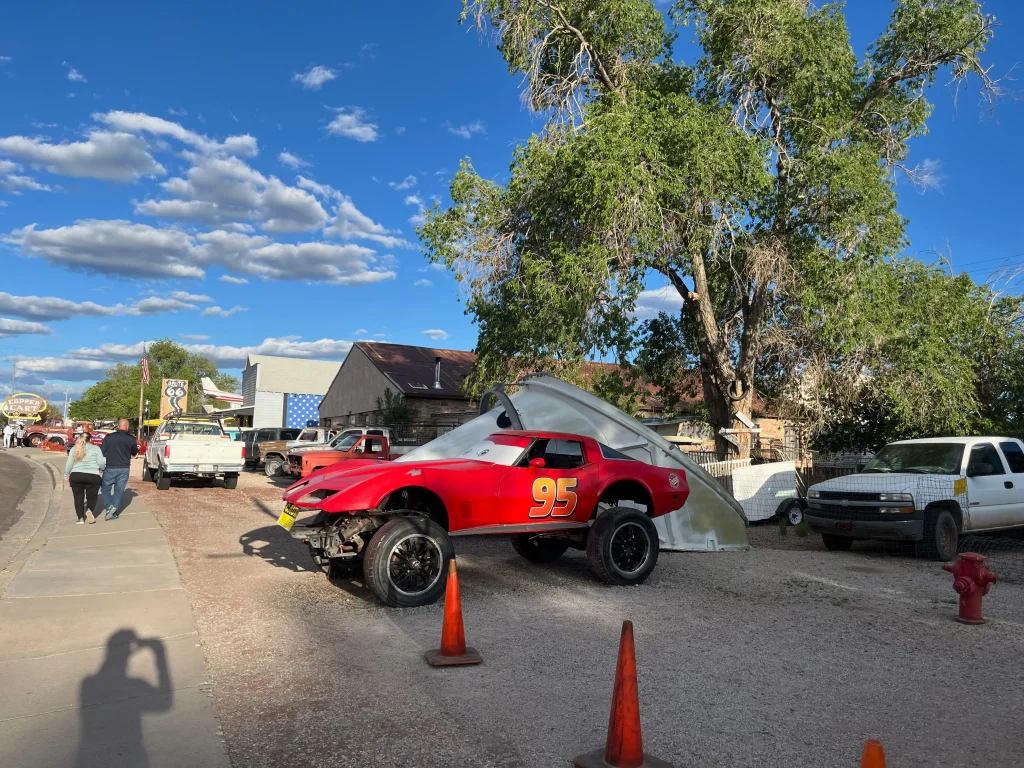
Starting early (often before sunrise) makes staying nearby the night before a practical choice rather than an extra, especially when you consider how heat and conditions can shape your experience at different times of year.
Use the map below to find something that matches your travel style and budget. Just enter your dates and number of people.
Food & Water Planning: Convenience vs Cost
Food is one of the more flexible parts of your Havasupai budget. There are no full grocery stores once you’re in the canyon, and while you can buy some meals in Supai village, most people bring what they need for the trip.
The type of food you choose will have a direct impact on both your cost and your experience.
Pre-Packaged Freeze-Dried Meals
- Store-bought freeze-dried meals are the most convenient option
- Typically cost $10–$20+ per meal
- Lightweight, easy to prepare, and require minimal cleanup
They are well suited for a trip like Havasupai, where you’ll likely be tired at the end of the day and want something quick and simple.
Homemade Meals
- Homemade dehydrated meals can be significantly cheaper
- Require time, planning, and access to a dehydrator
- Allow more control over ingredients and portions
- Simple, no-cook options are another popular choice.
- Wraps, crackers, tuna packets, and shelf-stable spreads
- Easy to prepare, relatively inexpensive, and work well for quick meals on the trail without needing a stove
This tradeoff comes down to whether you want to save money or save time—both approaches work, but they shape your budget and trip prep differently.
🔥 We Use This: Food Thermos
Before you hit the trail, prep a hot lunch and pack it in a high-quality food thermos. After hours of hiking, there’s nothing better than opening your pack to find a warm, ready-to-eat meal waiting for you.
They are lightweight, durable, and keep your food warm for hours.
👉🏾 Buy at: Amazon USA | Amazon Canada | REI
Food in Supai Village
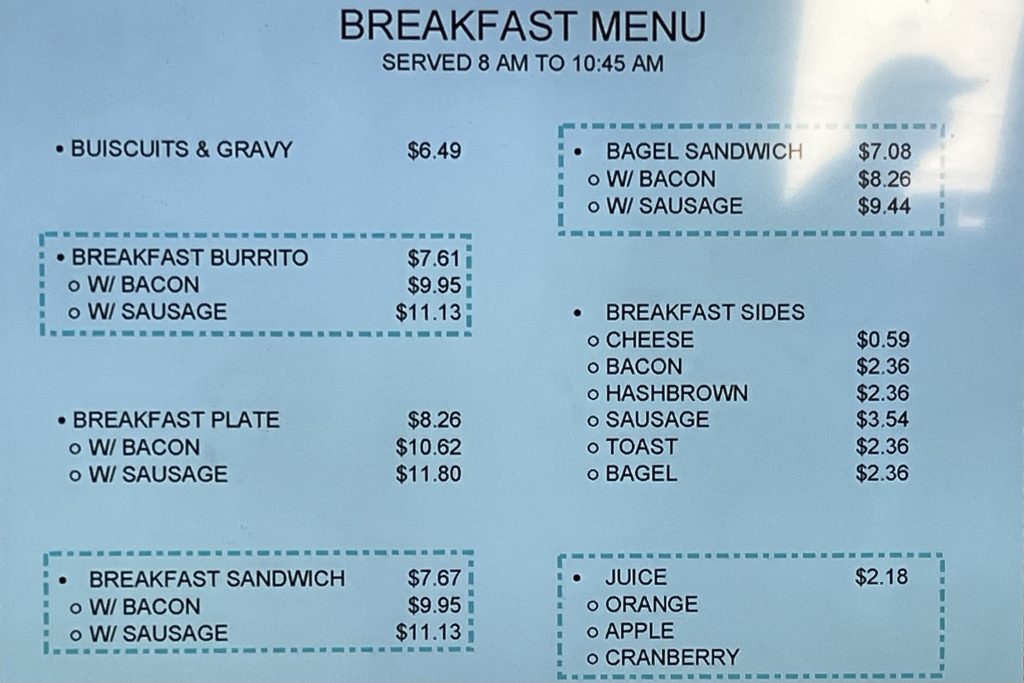
For some hikers, buying meals in the canyon can be a practical tradeoff—especially if it means carrying less food and simplifying meal prep. Prices are relatively reasonable for a remote location and can be comparable to, or even less than, store-bought dehydrated meals.
- Small café in Supai village with hot meals and both a breakfast and lunch menu.
- Located ~2 miles from the campground, so more convenient for those staying at the lodge or passing through the village on their hike in or out.
- Fry bread stand near the top of Havasu Falls (cash only)
- Hours and availability can vary
- Very popular with some delicious option like Nutella and banana
The main limitation is logistics. The café requires a 2-mile walk from the campground, and the fry bread stand is more convenient but has less predictable hours. Whether this works for you will depend more on how you plan your days than on cost alone.
Snacks & Electrolytes
- High-calorie snacks (protein and granola bars, trail mix, jerky, candy, etc.)
- Electrolyte powders or tablets
- Easy-to-access food for the hike in and out
Even though Havasupai isn’t a high-elevation trek, you’ll still be covering long distances in the heat. When hiking to the Confluence or in and out of the canyon, planning how you fuel longer days can make a noticeable difference in how you feel on the trail.
Gear Costs (What You Already Have vs What You’ll Need)
Gear is where Havasupai costs can vary the most.
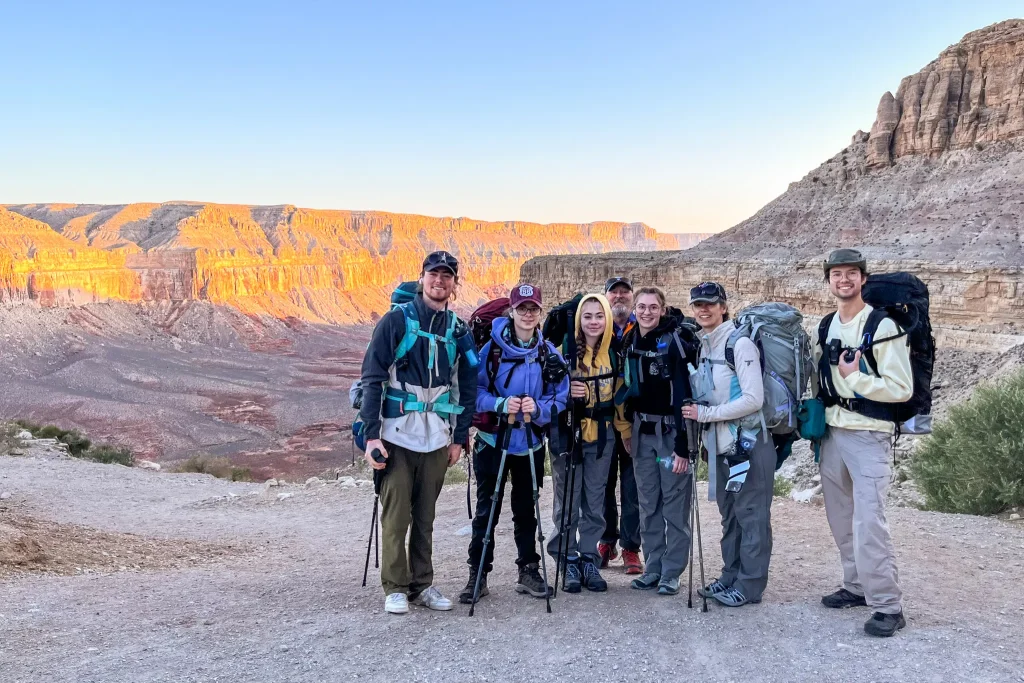
It is also a major factor when deciding between the campground and the lodge. If you don’t already own backpacking gear—or don’t want to invest in it—the lodge can shift the cost away from gear and into accommodation.
If you already backpack, your cost may be minimal. But if this is your first overnight hike or you’re upgrading some key items, the budget can expand quickly.
If you don’t already have gear, you will likely need the core backpacking essentials:
- Backpack
- Tent
- Sleeping system
- Footwear
- Clothing for desert heat and cooler nights
Packing for Havasupai isn’t just about having the right gear—it’s about bringing the right amount. With a long hike in and out, every extra item adds weight and can affect the overall difficulty of the hike, but underpacking can leave you unprepared for changing conditions.
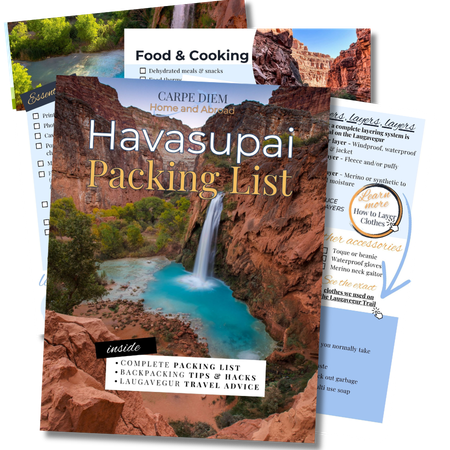
That’s where having a clear system helps. A well-structured packing list makes it easier to balance comfort, safety, and weight without second-guessing every item.
Packing intentionally matters here—especially in a canyon environment where conditions can shift from extreme heat to sudden storms. Understanding seasonal risks, like flash floods, can shape what you bring and how you pack.
Pack Smarter. Hit the trail prepared.
🥾 Free Havasupai Packing List
This free packing list includes backpacking essentials, gear recommendations, and practical tips to help you pack confidently for Havasupai and Arizona’s changing conditions.
Optional Costs (Where Things Can Add Up Fast)
The two most common optional costs are pack mules and the helicopter. Both will significantly increase your costs and change the experience for you.
Pack Mule Reservations
- $200 USD per reservation/per direction (can be shared by up to 4 people)
- Weight limits apply
- Non refundable and non transferable
Helicopter Ride
- $300 USD one way
- First-come, first-served- locals get first priority
- Not guaranteed
📌 Pro Tip: People usually start lining up in the village around 5 am to try to get a flight out ofo the canyon. It’s importatn to understand that the helicopter is not guaranteed and should not be relied on for getting in or out of the canyon.
Travel Insurance
Travel insurance isn’t always something people think about—but for Havasupai, it’s one of the few costs that’s hard to justify skipping.
Permits are mostly non-refundable. While a 50% refund is available if you cancel at least 90 days in advance, that timeline doesn’t help in most situations where plans change closer to your trip.
Medical coverage is another factor. There are no public medical or health services available in Supai Village. In the event of an injury, it may take many hours—or even longer—to receive treatment or be transported out of the canyon.
Emergency response is limited, and trained rescue teams are not available. If evacuation is required, it may involve a helicopter or UTV, both of which come at a high cost and are the responsibility of the individual being evacuated.
Travel insurance can help protect against:
- Trip cancellations or interruptions
- Unexpected medical expenses
- Emergency evacuation
For a trip like Havasupai—where high costs are paid upfront and access is remote—travelling without insurance adds a level of risk that’s easy to avoid. It’s a relatively small cost compared to what you’ve already invested, and one of the few expenses that protects everything else.
🔥 Travel Insurance
SafetyWing Travel Insurance
With upfront costs and remote access, insurance is one of the easiest ways to reduce risk on a trip like this.
SafetyWing covers medical, evacuation, trip cancellation/interruption & more.
Total Cost Per Person
The total cost of hiking Havasupai isn’t a single number—it’s the result of the decisions you make before you ever reach the trailhead.
Where you stay, how you get there, what gear you already own, how you plan your meals, and whether you add extras like a pack mule or helicopter all shape your final cost. Two people on the same trail can have very different budgets depending on how they approach those choices.
Because of that, trying to estimate a “typical” cost can be misleading. What matters more is understanding where your money is going and deciding what tradeoffs make sense for your trip.
Having a place to map that out can make a big difference. Seeing your expenses together—rather than scattered across bookings and gear lists—helps you make more intentional decisions before everything is locked in.
Free Download: Havasupai Budget Planner
Track and organize your trip costs in one place so you can see the full picture before you go.
Includes:
- Expense tracking by category
- Currency conversion for international travellers
- Per-person cost breakdown based on group size
Plan Smarter.
Hike with Confidence.
🥾 Complete Havasupai Planner
Planning Havasupai involves more than just the hike in. Campsite setup, waterfall days, the Confluence, and canyon conditions all shape your experience. The Complete Havasupai Planner brings everything together so you can make the most of your time in the canyon.
Plan Smarter.
Hike with Confidence.
🥾 Complete Havasupai Planner
Planning Havasupai involves more than just the hike in. Campsite setup, waterfall days, the Confluence, and canyon conditions all shape your experience. The Complete Havasupai Planner brings everything together so you can make the most of your time in the canyon.
Conclusion
Havasupai isn’t a cheap trip—and it’s not meant to be. It’s meant to be valued, savoured, and experienced—the kind of place where the time, effort, and cost all become part of what makes it stay with you, rather than something you rush through or take for granted.
The final cost is a series of decisions made before you reach the trail
Where you stay. How you get there. What you carry. What you’re willing to spend for comfort, convenience, or simplicity along the way.
Two people can hike the same trail and walk away with very different price tags and experiences—not because one did it “right,” but because they made different choices before they ever stepped into the canyon.
And that’s really the point.
When you understand where your money is going, the cost becomes something you can shape. Something you can plan around. Something that reflects the kind of experience you actually want to have.
Because once you’re there, following the creek through the canyon, watching the colour of the water shift with the light, it stops being about what you paid to get there.
And it becomes about being present in the moment. we have been gifted this amazing planet full of incredible paces to explore and discover.
And like most places shaped by time, water, and something far beyond us, it’s a reminder that some experiences aren’t measured by the cost—but by the connection we experience when we’re there. A connection to the land, the people we’re with, and the One who created it all. I am forever grateful for the privilege of exploring these sacred places.