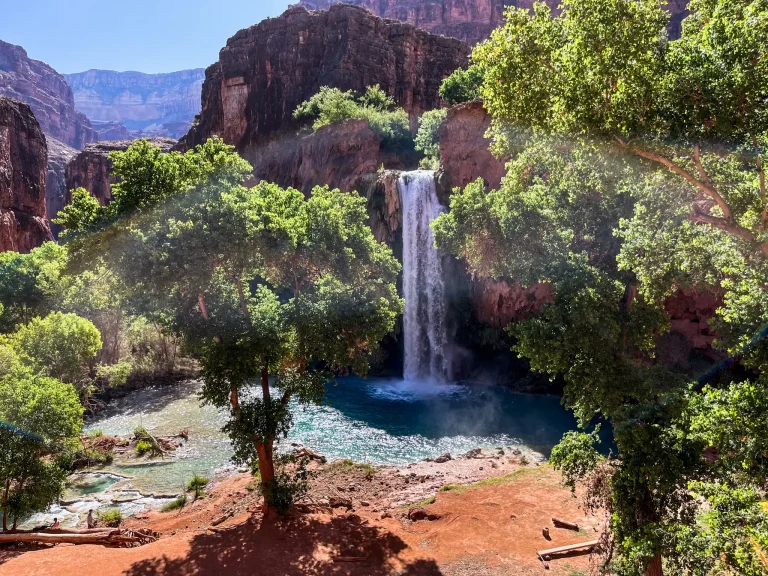

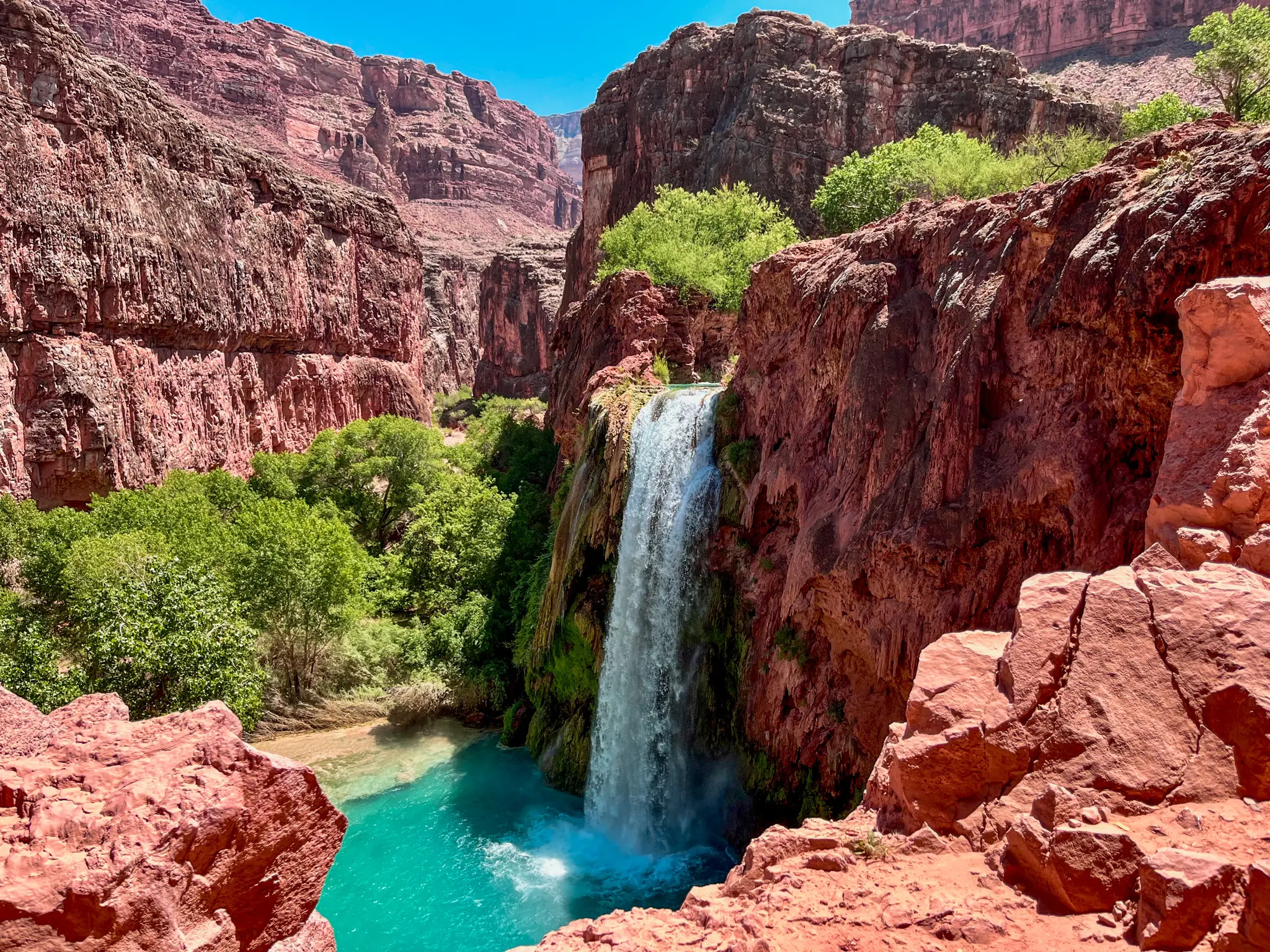
What to Expect Throughout the Year at Havasupai
From cool, quiet mornings to intense summer heat, the experience at Havasupai changes dramatically throughout the year. If you’re trying to figure out the best time to visit Havasupai, it’s not about finding a single perfect month—it’s about understanding how conditions shift and what that means for your trip.
Our first permit was for late August. This was our first and last time experiencing Arizona in August. Although we had read about the extreme heat and flash flood potential, we didn’t fully understand it until we experienced it firsthand.
An extreme flash flood ripped through the canyon while we were travelling to Havasupai. Access to the trail was closed, and our trip was pushed to the following May. The spring trip treated us to ideal swimming conditions and comfortable mornings on the trail. We quickly learned how much the overall experience can change depending on when you visit—and how important it is to plan around seasonal conditions, from timing your hikes to packing for the heat or cooler nights.

Ultimately, each season at Havasupai offers something different. Some months offer ideal hiking temperatures, while others bring warmer water, fewer crowds, or more challenging conditions like extreme heat or flash flood risk in the canyon.
April through May and September through October are typically considered the best time to visit Havasupai, when temperatures are more moderate and conditions are well balanced for both hiking and swimming. But if your permit falls outside those windows, you can still have an incredible experience with the right expectations and preparation.
Here’s what to expect throughout the year so you can choose the time that’s right for you.
Havasupai Planning at a Glance
This planning overview is designed to help you organize the most important parts of your trip without overcomplicating things
Want everything organized in one place? Explore the Complete Havasupai Planner.
Where to Stay the Night Before:
- Grand Canyon Caverns & Inn
- Hualapai Lodge
- Supai Motel
Important Trail Logistics:
Book Ahead:
- Rental Car- Discovercars
- Travel Insurance- Safety Wing
- eSIM- Saily
Havasupai Weather by Month (Quick Overview)
Weather and conditions can vary, but this overview gives a helpful starting point when planning your trip.
| Month | Average High | Average Low | Precipitation | Notes |
| January | 13°C (56°F) | -1°C (31°F) | 0.90 in | No permits issued |
| February | 16°C (61°F) | 1°C (34°F) | 0.81 in | Cold nights; layers essential; warm sleeping bag; quiet trails |
| March | 22°C (71°F) | 6°C (42°F) | 0.86 in | Ideal hiking weather; still cool nights; fewer crowds |
| April | 26°C (79°F) | 8°C (47°F) | 0.48 in | Good hiking weather; cool nights; increasing crowds |
| May | 32°C (89°F) | 13°C (55°F) | 0.47 in | Hot days; great for swimming; peak month |
| June | 37°C (99°F) | 17°C (63°F) | 0.29 in | Hot; be sun aware; hydrate often |
| July | 40°C(104°F) | 22°C (71°F) | 1.35 in | Very hot and humid; Flash flood risk; caution advised |
| August | 38°C (101°F) | 21°C (69°F) | 1.63 in | Monsoon season; flash flood risk; expect afternoon storms |
| September | 34°C (94°F) | 17°C (62°F) | 0.92 in | Still hot; late season storms possible |
| October | 28°C (82°F) | 10°C(50°F) | 0.92 in | Mild and pleasant; ideal hiking conditions |
| November | 19°C (66°F) | 3°C (38°F) | 0.69 in | Cool and crisp; cold evenings |
| December | 14°C (57°F) | 0°C (32°F) | 0.83 in | No permits issued |
These temperatures are averages. Actual temperatures can be much higher or lower.
Pack Smarter. Hit the trail prepared.
🥾 Free Havasupai Packing List
This free packing list includes backpacking essentials, gear recommendations, and practical tips to help you pack confidently for Havasupai and Arizona’s changing conditions.

How to Choose the Best Time to Visit Havasupai
The best time to visit Havasupai depends on your priorities.
If you’re looking for the warmest swimming temperatures, late spring and early fall are typically the best times to visit. If comfortable hiking temperatures with warmer evenings matter most, mid to late spring or fall offer a great balance. And if you don’t mind cooler water or colder nights in exchange for fewer crowds, late fall or early spring can be a good fit.
Heat, sun exposure, and limited shade can make hiking the trail feel much more intense than temperatures suggest, especially on longer days deeper in the canyon.
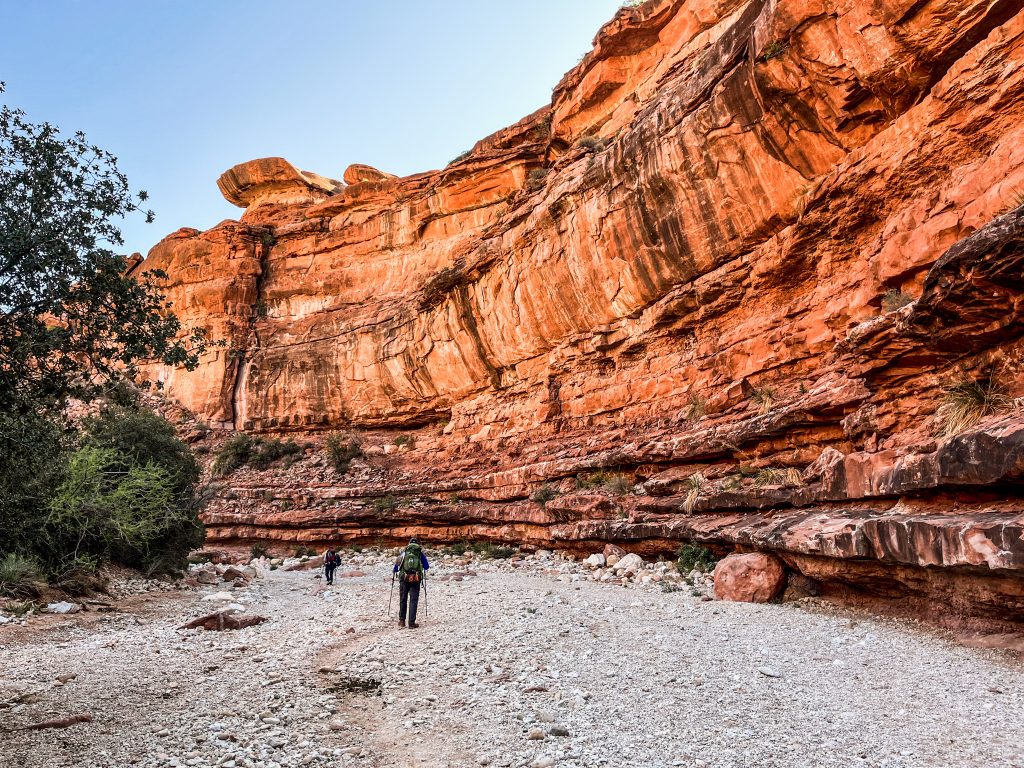
Spring (March – May): Best Overall Conditions
Spring is one of the best time to visit Havasupai, offering a balance of comfortable hiking temperatures, manageable heat, and improving swimming conditions as the season progresses.
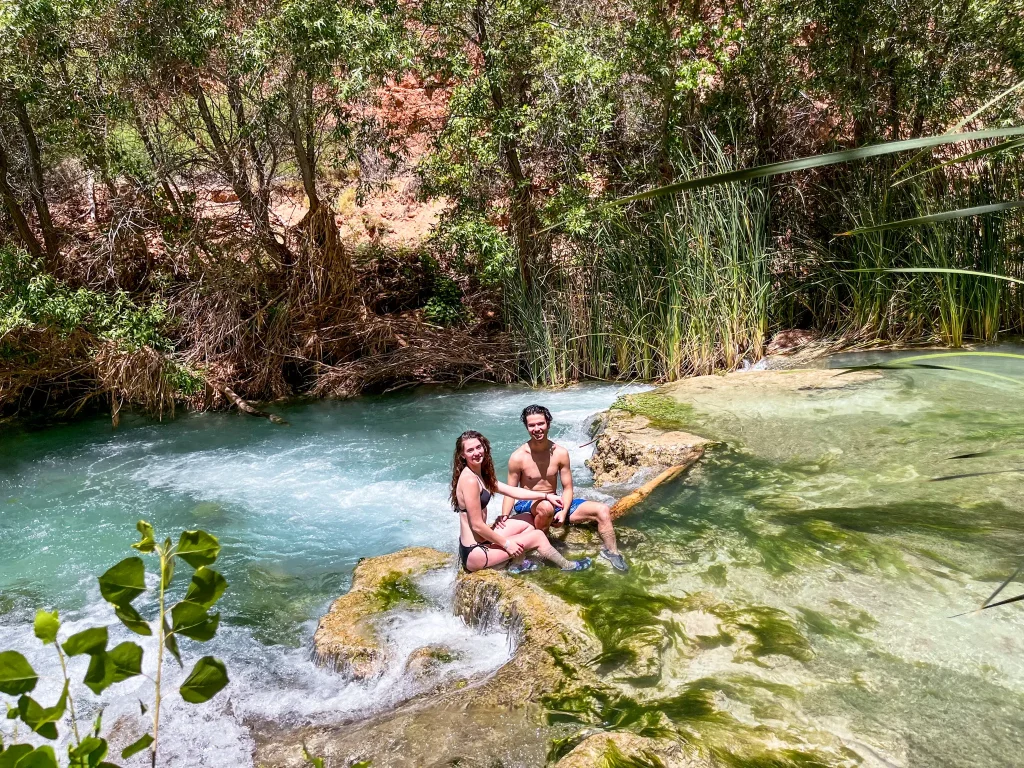
March
March brings some of the best hiking conditions of the year, offering cooler daytime temperatures that make the hike in and out feel more manageable. It’s also one of the quieter times to visit, which can make the experience feel more peaceful overall.
The tradeoff is colder water and chilly nights. Swimming is still possible, but it’s usually brief, and evenings require warmer layers.
April
April is where conditions start to balance out. Daytime temperatures warm up, making hiking comfortable while still avoiding the extreme heat of summer. Nights are still cool, but less harsh than earlier in the season.
Water temperatures begin to feel more manageable, though swimming can still be refreshing rather than relaxing. This is a popular time to visit as more people aim for that balance between hiking comfort and improving conditions at the waterfalls.
May
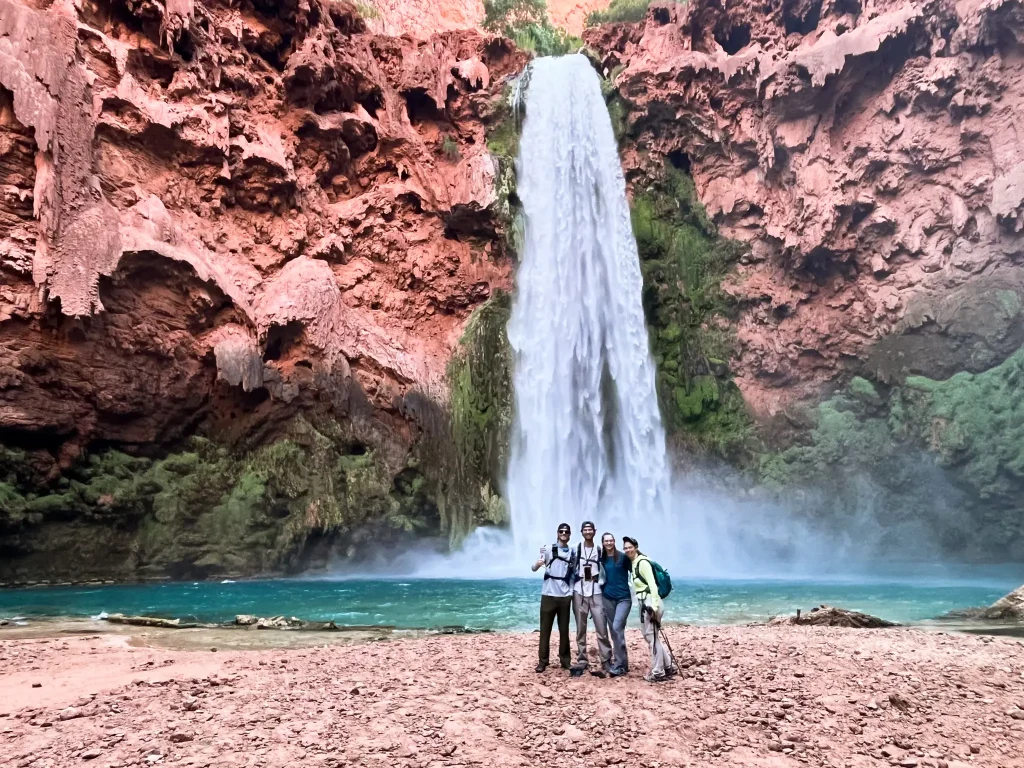
May offers some of the best overall conditions. Mornings and evenings are ideal for hiking, and the waterfalls are warm enough to spend more time swimming and relaxing.
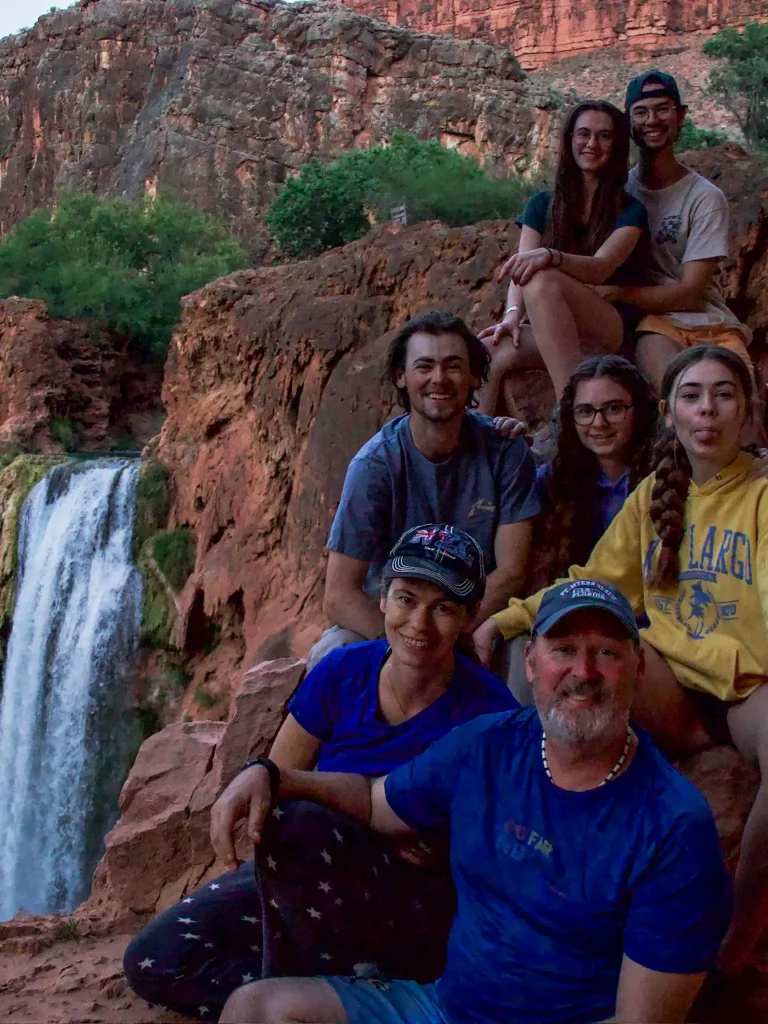
We visited at the end of May and found it to be ideal, especially for hiking the confluence. We had comfortable hiking conditions early in the day and water that provided refreshing breaks from the heat.
That said, midday heat was still significant, peaking in the low 30’s Celsius/90’s Fahrenheit. Early starts are important, especially for longer hiking days, like hiking to the Confluence or out of the canyon.
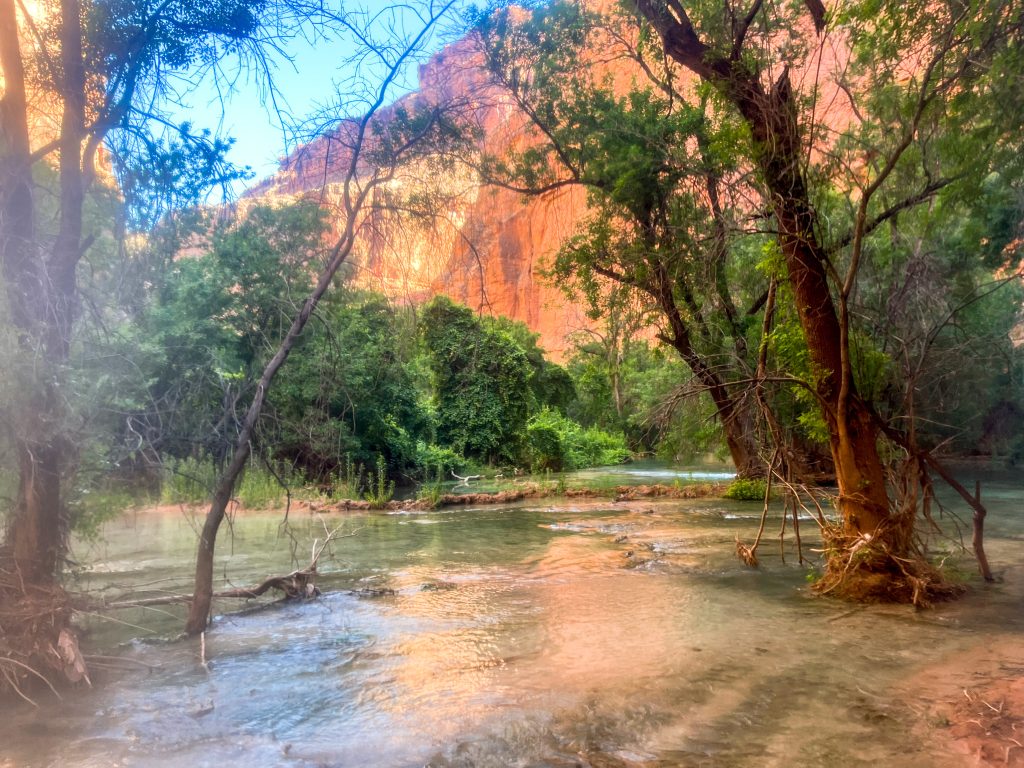
This is peak season. The falls can feel crowded, and the wait for the ladder down to Mooney can be up to an hour or longer during peak times.
Summer (June- August): Extreme Heat and Flash Floods
Summer brings the most demanding conditions at Havasupai. While the waterfalls are at their warmest, the combination of extreme heat and monsoon season makes this the most challenging time to visit.
June
June marks the transition into peak summer heat. Temperatures climb quickly, and the hike in and out can feel significantly harder—especially later in the day.
Water conditions are ideal for swimming, but hiking becomes more about timing. Starting early in the morning is essential to avoid the most intense heat, particularly on longer days deeper in the canyon.
June is typically considered outside of monsoon season, but conditions can still change. When we visited at the end of May, a flash flood moved through the canyon just days after we left in early June—highlighting how unpredictable the canyon can be, even outside peak storm months.
July
July is one of the most challenging months to visit. Daytime heat can be extreme, and even early mornings offer limited relief.
This is also the start of monsoon season, bringing an increased risk of flash floods. Storms don’t need to be directly overhead to impact conditions in the canyon, which makes awareness and preparation especially important.
While the waterfalls are at their warmest, hiking becomes more about managing exposure—starting early, limiting midday activity, and paying close attention to changing weather conditions.
August
August continues the pattern of extreme heat, with the added unpredictability of late-season storms.
Flash flood risk remains elevated, and conditions can change quickly during this time of year. Even clear mornings can shift later in the day, which makes flexibility and awareness key.
While swimming conditions are ideal, the overall experience is often shaped more by the heat and weather patterns than anything else. Understanding flash flood safety and planning your days carefully becomes especially important.
Fall (September–October): A Balanced Alternative
Fall offers some of the most well-rounded conditions at Havasupai, combining warm water, more manageable temperatures, and fewer crowds than peak spring.
September
September can feel like an extension of summer early in the month, with hot temperatures and comfortable swimming conditions. As the month progresses, temperatures begin to ease, making hiking more manageable.
There is still a possibility of lingering storms early in the month, but overall conditions tend to stabilize. This is a great time to visit if you want warm water without the intensity of peak summer heat.
October
October is one of the most comfortable months to visit. Daytime temperatures are ideal for hiking, and cooler mornings and evenings make for a more balanced experience overall.
Water temperatures are cooler than in summer, but still manageable for short swims. With fewer visitors than spring, this can be a great time to enjoy a quieter experience both on the trail and around the waterfalls.
Late Fall & Early Winter (November–February): Quiet but Cooler
This time of year offers a quieter, more peaceful experience at Havasupai, but with colder temperatures that shift the focus away from swimming and toward hiking and time around camp.
November
November brings cooler daytime temperatures and noticeably colder nights. Hiking conditions can be very comfortable, especially during the day, but mornings and evenings require warmer layers.
Swimming becomes less appealing, but the quieter atmosphere can make this a rewarding time to visit if you’re more focused on the hiking experience.
February
February marks the start of the season reopening, with conditions similar to late fall. Daytime temperatures can be comfortable for hiking, but cold nights and chilly water temperatures remain.
This is one of the quieter times to visit, making it a good option if you’re looking to avoid crowds and don’t mind prioritizing hiking over swimming.
Best Time to Visit Havasupai Based on Your Priorities
Here’s a quick breakdown to help you choose the best time based on what matters most for your trip.
Best Time for Swimming– May, September
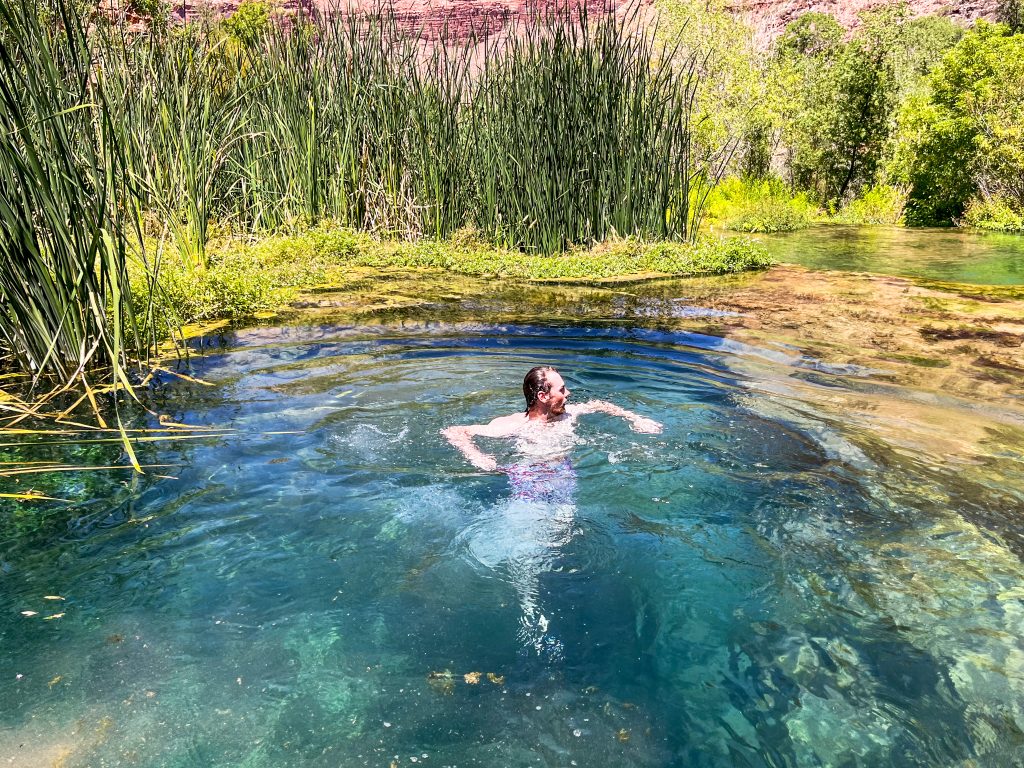
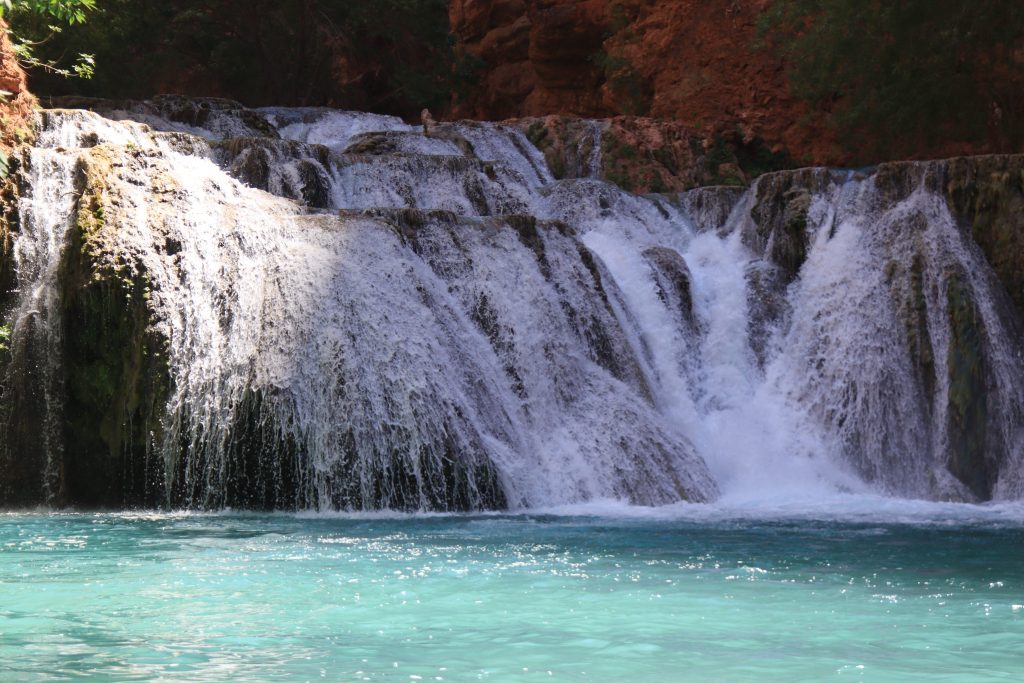
Water temperatures are warm enough to comfortably spend time in the waterfalls without the extreme heat of mid-summer—especially if you’re planning to hike to Beaver Falls, which requires multiple river crossings to get to it.
Best Time for Hiking Comfort– April–May, October
Moderate daytime temperatures make the hike in and out more manageable, especially when combined with cooler mornings and evenings.
Moderate daytime temperatures make the hike in and out more manageable, especially when combined with cooler mornings and evenings—something that can make a noticeable difference to how difficult you find the Havasupai hike.
Best Time for Fewer Crowds– March, November
Shoulder season months tend to be quieter, offering a more peaceful experience with fewer people on the trail and at the waterfalls.
Best Time for First-Time Visitors– April–May, September–October
These months offer the most balanced conditions overall, making them ideal if you’re unfamiliar with the trail or visiting for the first time.
Best Time for the Confluence– May, September
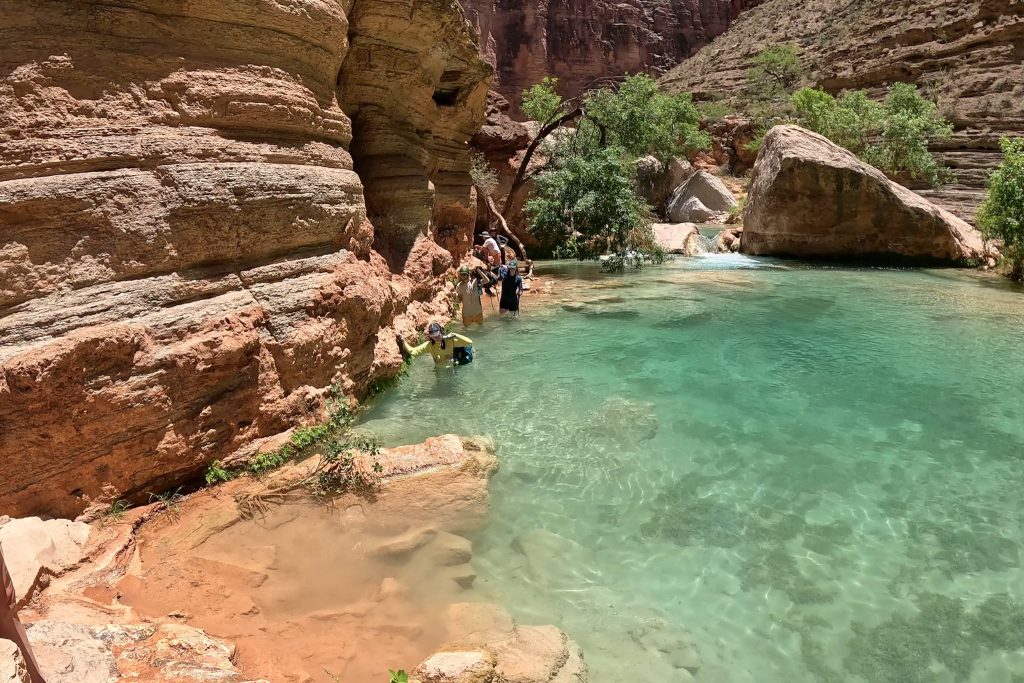
Warmer water temperatures make river crossings and wading sections more manageable, especially if you’re planning hiking to the Confluence.
Best Time for Photography– March, October
Softer light, fewer crowds, and more comfortable temperatures make these months ideal for photography. You’re more likely to have quieter moments at the waterfalls and better lighting conditions throughout the day, without the harsh midday sun that comes with summer.
Worst Time to Visit Havasupai– July–August
July and August are typically the most challenging months to visit. Extreme heat can make hiking significantly more difficult, even in the early morning, and midday conditions can become unsafe if you’re not prepared.
This is also monsoon season, when flash flood risk is highest and conditions can change quickly. Even if storms aren’t directly overhead, rainfall elsewhere can still impact the canyon.
While the waterfalls are at their warmest, most of your day ends up being shaped by the heat and weather rather than enjoying the experience at a relaxed pace.
How Permits Impact the Best Time to Visit
In reality, the best time to visit Havasupai isn’t always the time you would choose—it’s often the time you’re able to secure a permit.
Permits for peak seasons like spring and fall tend to sell out quickly, while summer and late-season dates often remain available longer. This means that while April–May and September–October offer the most balanced conditions, they’re also the hardest dates to get.
For many people, this shifts the planning process from choosing ideal conditions to working with what’s available. If your dates fall outside of peak windows, it doesn’t mean your trip will be any less worthwhile—it just means preparing for different conditions, whether that’s heat, cooler water, or shorter days.
Final Thoughts: Choosing the Right Time for Your Trip
There’s no single perfect time to visit Havasupai—only the time that aligns with your priorities, your permit, and your willingness to adapt to the conditions you’re given.
Some trips will be shaped by cooler mornings and quieter trails, others by warm water and long days in the canyon. And sometimes, as we learned, conditions can change quickly in ways you don’t expect. But standing beneath those waterfalls, surrounded by canyon walls carved over time, it’s hard not to recognise the weight of where you are.
Places like this remind us that experiences like this aren’t guaranteed—they’re a privilege. The time, cost, and effort it takes to get here are part of the journey, and for many, part of deciding whether Havasupai is worth it in the first place.
Between permits, travel, and preparation, it’s also worth understanding the full picture of what you’re committing to, including the cost of hiking Havasupai.
And with that privilege comes responsibility—to tread carefully, to respect the land, and to leave it as you found it so others can experience it the same way.
However you plan your trip, approaching it with preparation, flexibility, and gratitude will shape your experience far more than the exact dates you choose.