
Havasupai Trail: Hike to the World’s Bluest Water
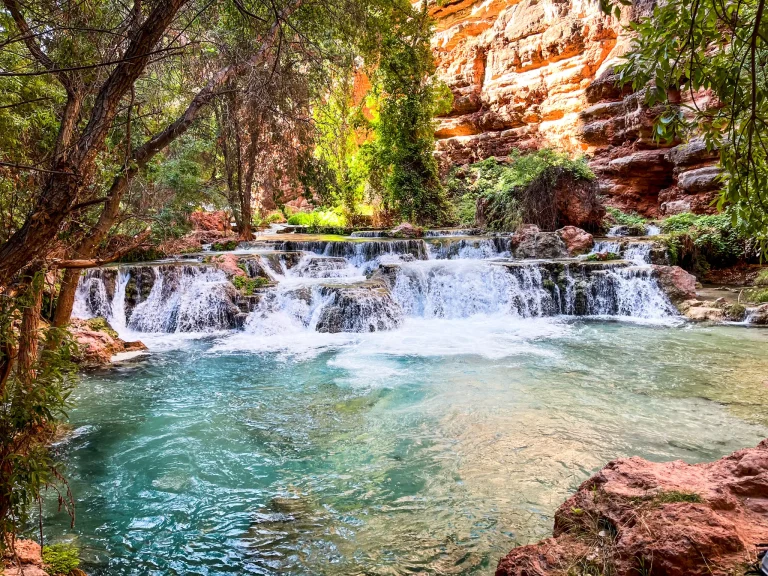
Ten miles, eight waterfalls, and some of the bluest, clearest water on Earth—welcome to the Havasupai Trail!
Nothing quite prepares you for the surreal beauty of turquoise-blue falls cascading through the heart of a red rock canyon. This is the part of the Grand Canyon that many people never get to experience.
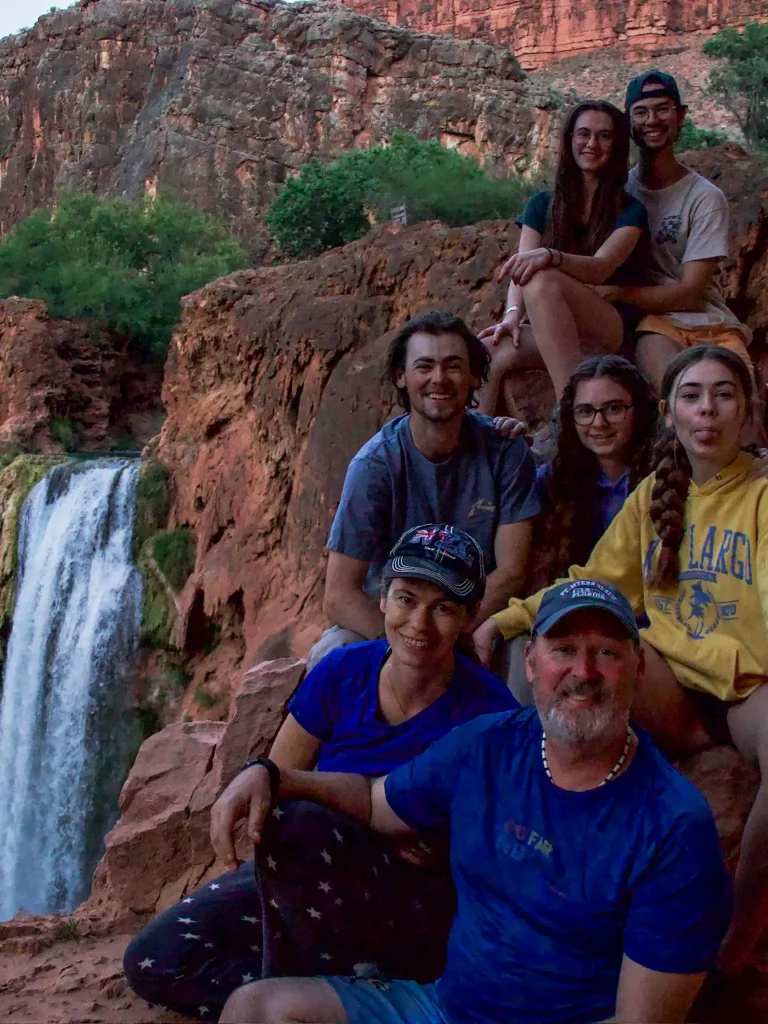
The first time I told the family I wanted to do the 10-mile hike into this oasis, they thought I was crazy! We hadn’t even started hiking as a family yet. Have I mentioned that my favourite thing about this crew is that they roll with all my crazy ideas? What started out as a wild dream became one of our most unforgettable family adventures.
This hike landed on our bucket list six years ago. We were all set to make it happen last summer- but when we arrived at the check-in point, we found out a flash flood had hit the area (more about flash floods later). The entire canyon had been evacuated, and our long-awaited trip had to be postponed.
Fast forward to this spring- and we finally made it happen! Here’s everything you need to know to plan your own unforgettable trip to Havasupai. From securing permits and what to pack, to crafting the perfect 4-day itinerary, it’s all here. Let’s dive in.
If you’re wondering exactly how hard Havasupai is, check out our guide, How Hard Is Havasupai, specifically designed to help beginner backpackers decide if they are ready for it.
Havasupai Planning at a Glance
This planning overview is designed to help you organize the most important parts of your trip without overcomplicating things
Want everything organized in one place? Explore the Complete Havasupai Planner.
Where to Stay the Night Before:
- Grand Canyon Caverns & Inn
- Hualapai Lodge
- Supai Motel
Important Trail Logistics:
Book Ahead:
- Rental Car- Discovercars
- Travel Insurance- Safety Wing
- eSIM- Saily
This post contains affiliate links. I may earn a small commission on qualifying purchases at no extra charge to you if you purchase them from my link. Thank you for supporting my blog.
What Is the Havasupai Trail?
The Havasupai Trail is officially 8 miles one way, beginning at Hualapai Hilltop parking lot and ending at Supai Village. However most people hike an additional 2 miles one way to the campground, making it 20 miles roundtrip from the trailhead to the campground.
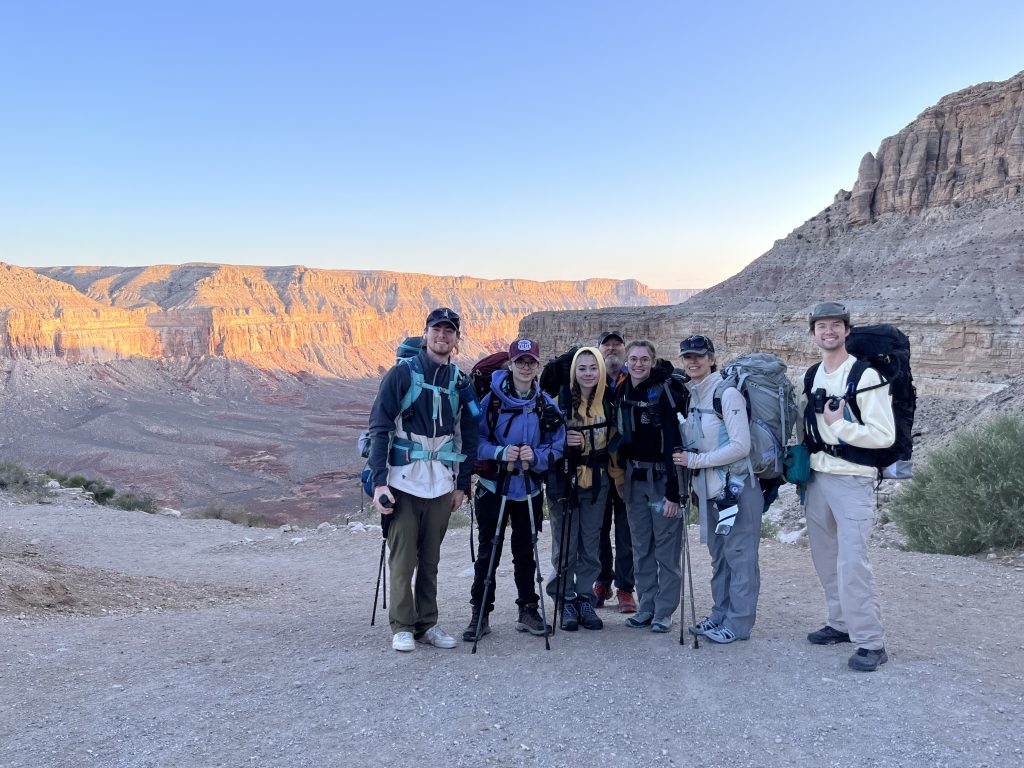
At the end of the trail is crystal clear turquoise water flowing through the Havasu Creek and a myriad of waterfalls. The three main attractions are Havasu Falls, Mooney Falls and Beaver Falls.
Permits and Reservations
To hike to Havasu Falls and explore the surrounding waterfalls, you’ll need a Havasupai permit secured through the official reservation system. Day hikes are strictly prohibited, and visitors without a valid permit will be turned away.
All permits cover a fixed 3-night, 4-day stay at either the campground or the lodge in Supai. Your entry and exit dates are set when you book and cannot be changed, so planning ahead is important.
- Campground $455/person USD
- Lodge $2277/room USD up to a maximum of 4 guests
Before booking, it helps to understand the full Havasupai trail cost beyond just permits—especially once you factor in travel, gear, and extras.
Permits are released once per year and popular dates—especially in spring—can still fill quickly. While availability has improved compared to past years, the system comes with strict rules around reservations, trip leaders, and cancellations.
Each reservation is handled by a trip leader who must be present at check in. If the trip leader is unavailable a potential alternate trip leader (PATL), can take over as trip leader.
📌 Pro Tip: Up to two PATLs can be assigned when at the time of booking. PATLs cannot be added after the booking is completed.
Check In
The trip leader or a designated (PATL) MUST check-in for all members of their group. Failure to do so will result in your reservation being cancelled. No refunds or rescheduling of dates will be issued.
ℹ️ Check-in for ALL permit reservations (campground and lodge) takes place at:
Grand Canyon Caverns Inn, located at Mile Marker 115, Route 66 near Seligman, Arizona
Always double-check the official Havasupai website for the most up-to-date check-in hours before you travel.
When to Go
The permit season runs from February 1 to November 30, and conditions vary significantly throughout the year. While you can visit Havasupai across multiple seasons, your experience will look very different depending on when you go.
❄️ February, March & November
- Cooler daytime temperatures
- Cold nights (pack layers and a warm sleeping bag)
- Quieter trails and easier permits
- Swimming is limited or cold
🌸 April & May
- One of the most balanced times to visit
- Warm days, cooler mornings and evenings
- Water increasingly feels comfortable for swimming
- Popular months → permits go quickly
🔥 June, July & August (Monsoon Season)
- Extreme heat (often 90–110°F+)
- Flash flood risk increases with storms
- Early hiking is essential
- More permits available due to conditions
- The summer season comes with significant risks between extremely high temperatures and potential flash floods.
🍂 September & October
- Cooling temperatures
- Water still warm for swimming
- Fewer crowds after peak season
- Great overall balance
Getting to the Trailhead (Hualapai Hilltop)
- If you’re flying in, the best airport is Las Vegas (LAS)- Harry Reid International Airport. It will likely have the cheapest flights and car rentals.
- From here it is about a 5 hour drive to the trailhead via historic Route 66.
🚗 Car Rental
Comparing prices across platforms like Expedia and DiscoverCars can make a noticeable difference—especially with longer rental periods common for this trip.
- The closest accommodations to the trailhead is the Grand Canyon Caverns & Inn (Not an affiliate link, just the closest place to stay). They are an hour from the trailhead, and they sell out during peak season, so book in advance. We stayed here our first time.
- The second time we stayed in Seligman at the Supai Motel as the Caverns was fully booked.
- Can’t get into the Caverns or what something different? Enter your dates and number of people into the map to find something that will meet your needs.
📌 Pro Tip: There is no overnight camping at the trailhead, including sleeping in your vehicle
- The nearest towns are Peach Springs and Seligman, Arizona.
Seligman- Real Life Radiator Springs
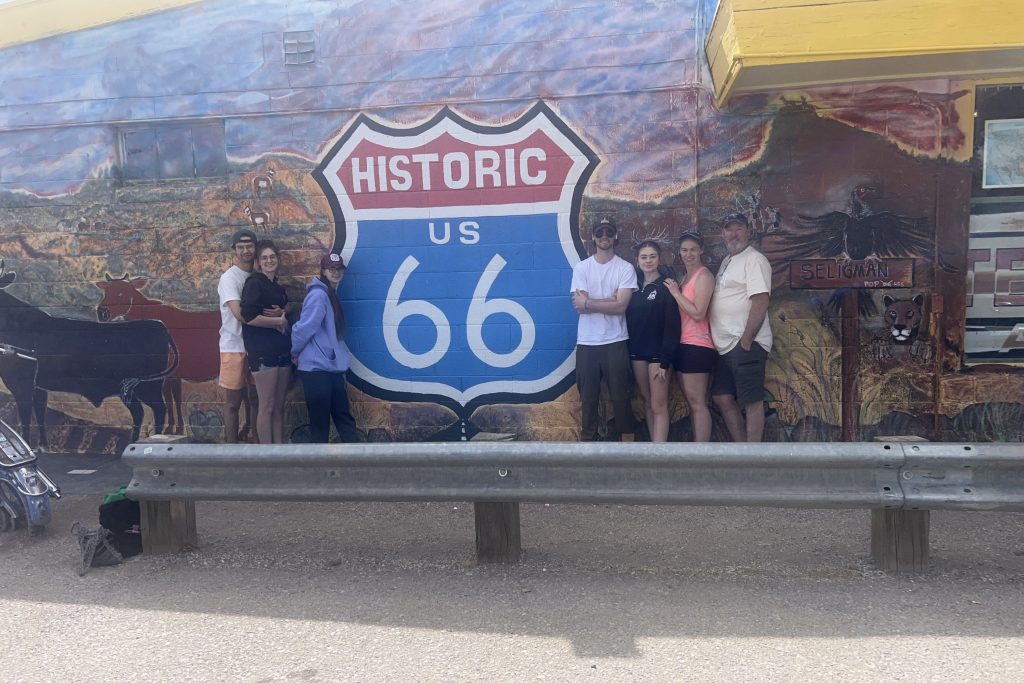
If you’ve got time after checking in at Grand Canyon Caverns & Inn, swing by Seligman—a quirky Route 66 town with major Cars movie vibes! It’s a quick stop or even a great place to spend the night.
- Route 66 photo ops with vintage cars
- Tributes to Cars characters
- Local live music at the tavern
- Souvenir shops and a retro ice cream stand
🍽 Where to Eat:
Don’t miss Westside Lilo’s Café—a beloved roadside diner known for:
- Big portions
- Great prices
- Homemade desserts (get the carrot cake!)
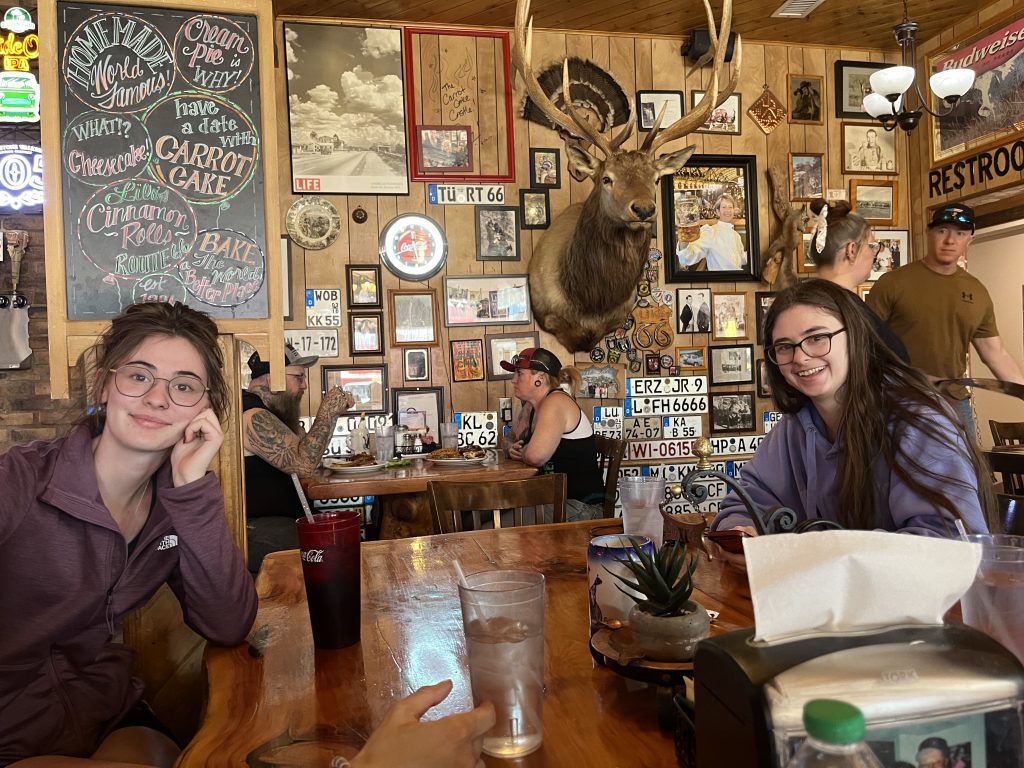
📌 Fun Fact: Seligman inspired the town of Radiator Springs in Disney-Pixar’s Cars. You’ll feel like you drove right into the movie.
Peach Springs
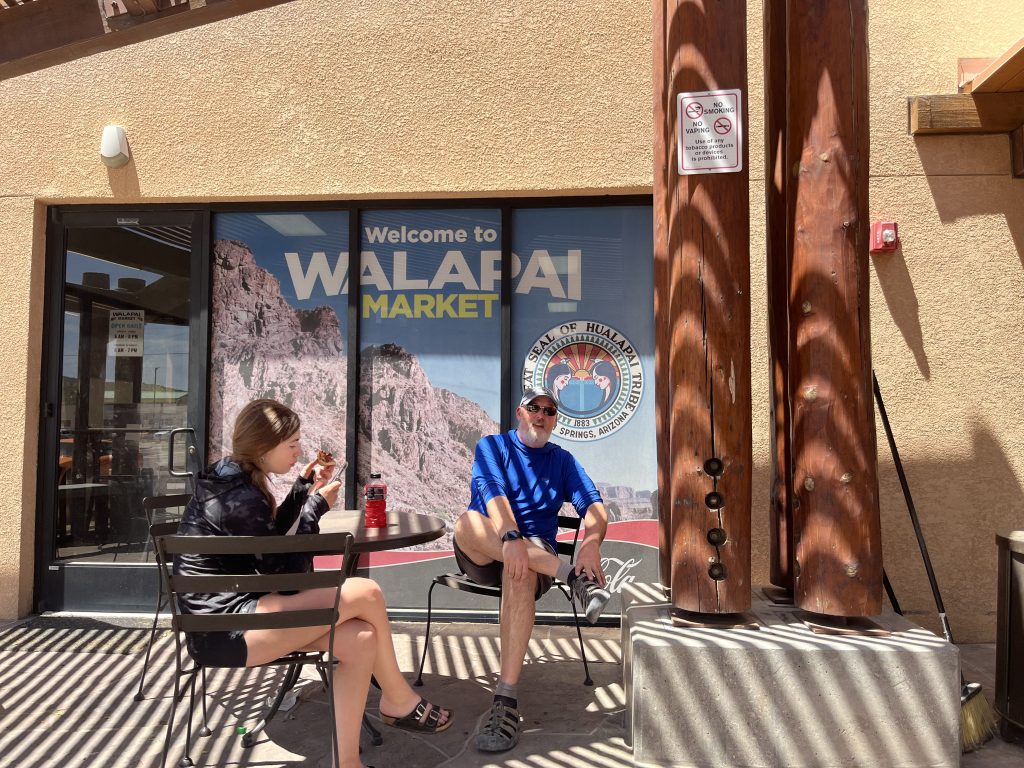
🍕 Peach Springs is just 12 miles from Grand Canyon Caverns & Inn—
and trust me, the best gas station pizza around is waiting for you at the Walapai Market!
- $4.50 for a huge individual slice
- $25 for a massive extra-large pizza
📌 Pro Tip: After hiking out from Havasupai, stop here to refuel both your car and your body. You’ll be craving real food- and this pizza hits the spot after four days of trail snacks and dehydrated meals!
The Hike In: What to Expect
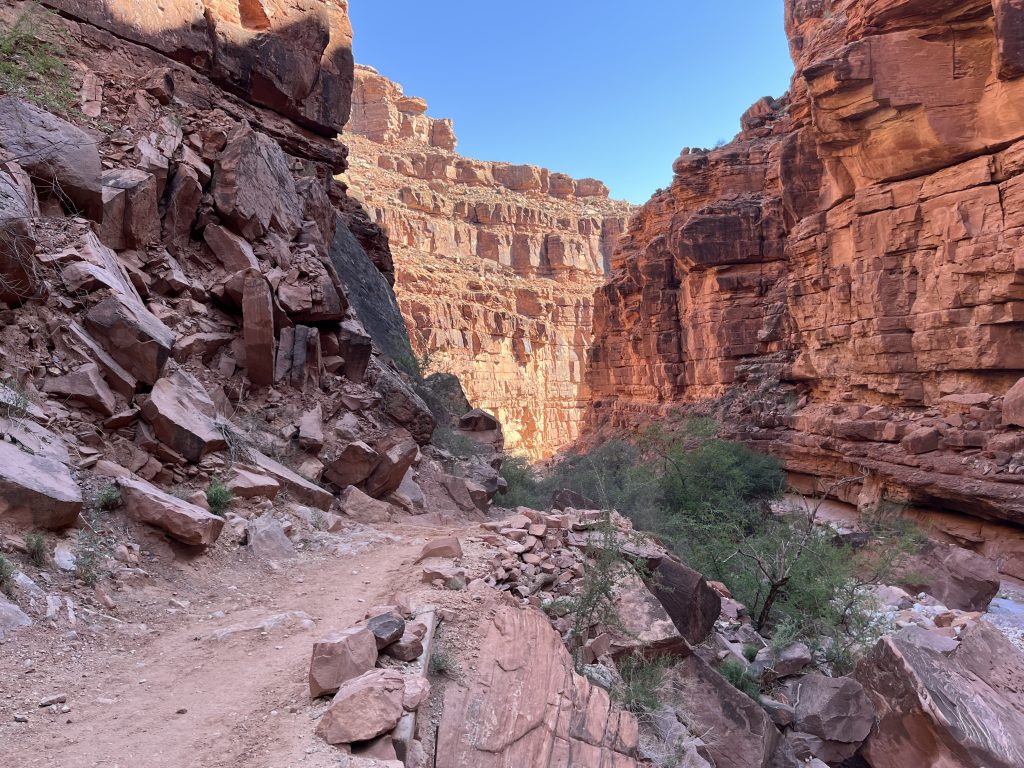
The trail into Havasupai is 8 miles (12.8 km) to Supai Village and 10 miles (16 km) one way to the campground, with a total descent of 2,000 feet (610 meters). The first two miles feature a steep drop via switchbacks, but after the two-mile marker—engraved on a boulder to the left—the trail levels out into a steady, gentle descent all the way to the village.
ℹ️ Sun and Shade on the Trail:
Sunrise at Hualapai Hilltop (trailhead) typically occurs between:
- 6:30 AM (March)
- 5:00 AM (June)
- 6:15 AM (October)
Shade lasts the longest in the first 2–3 miles of the trail due to steep canyon walls.
The sun usually crests the canyon rim and starts hitting parts of the trail by 8:00–8:30 AM in spring and fall, and as early as 6:30–7:00 AM in summer.
By 10:00 AM, most of the trail is exposed in all seasons — with little to no shade for the remainder.
Start early to reach the campground before the trail is fully exposed. The campground offers plenty of shade and access to the creek for cooling off.
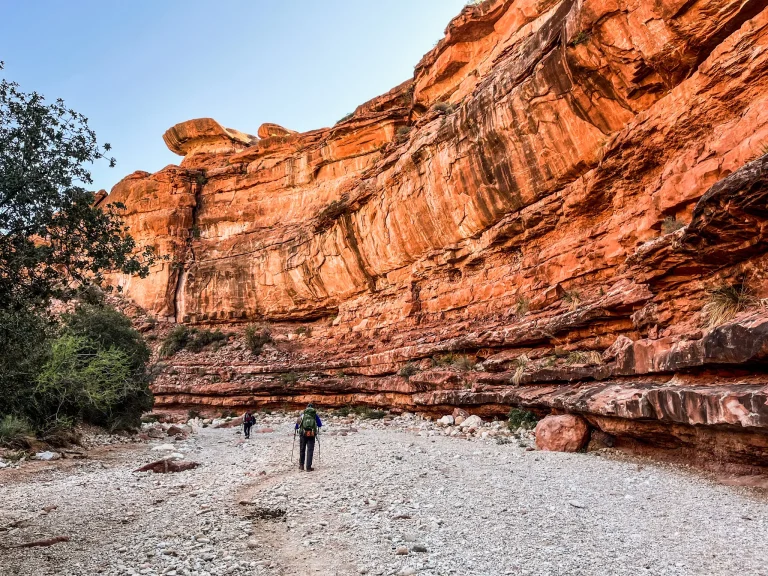
This non-technical route is rocky and sandy but relatively easy after the initial descent, offering sweeping views of the surrounding canyon. Most hikers complete the trek in 4 to 6 hours, depending on pace and pack weight.
Washrooms on the Trail
There are three sets of composting toilets on the trail:
- Hualapai Hilltop (the trailhead)
- Approximately halfway to the village
- Approximately halfway between the village and campground.
Generally speaking the toilets are well maintained and fully stocked with toilet paper and soap.
📌 Pro Tip: Just make sure to do a quick check first: if supplies are missing, you’ll be able to grab them from one of the other cubicles.
Water Access on the Trail
There is no access to water between Hilltop and Supai Village. Make sure to pack enough water for the entire hike.
- Minimum 3-4 L per person during hot summer months (May-Sept)
- Minimum 2-3 L per person during cooler months (Oct-April)
📌 Pro Tip: After the long hike in, treat yourself at the café in Supai Village for a bagel sandwich, or grab some delicious fry bread from the stand near the top of Havasu Falls. But don’t forget to bring cash!
Optional Pack Mule Service
If carrying a fully loaded backpack 10 miles feels a little daunting, there are other options. The most common is reserving a mule to carry your bag in and out.
💰Costs
- Round-trip (Hilltop Trailhead ↔ Campground or Lodge): $400 per mule
- Late Run Fee (if you miss the drop-off time): Additional $300
- Emergency One-Way Mule (if available): $400
📦 Bag Requirements
- Capacity: One mule can carry up to 4 bags
- Weight Limit: 32 lbs (14.5 kg) per bag
- Size Limit: 36″ L x 19″ W x 19″ H
- Bag Type: Soft-sided only; no coolers or items hanging off the outside
⏰ Drop-Off Times
- Hilltop to Campground/Lodge: Drop bags by 10:00 AM; they typically arrive around 5:00 PM
- Campground to Hilltop: Drop bags by 6:00 AM; they typically arrive around noon
- Visitors must obtain their pack mule tags no later than 9am on the morning of your reservation arrival date in order for your reservation to be honoured.
Optional Helicopter Service
Helicopter services to and from Havasupai are provided by Airwest Helicopters, offering an alternative to the 10-mile hike between Hualapai Hilltop and Supai Village. Here’s what you need to know:
🚁 Helicopter Ride Options
- Cost: $300 per person, one-way, includes 1 personal bag.
- Schedule: Flights typically operate on Sundays, Mondays, Thursdays, and Fridays.
- Booking: No advance reservations; flights are first-come, first-served.
- Check-In: Sign up at the helipad either at Hualapai Hilltop or in Supai Village.
- Payment: Cash is preferred; credit cards may be accepted with a $20 fee, but connectivity issues can occur.
- Priority: Tribal members and vendors have priority boarding.
- Wait Times: Arriving early (before 6:00 AM) is recommended to minimize wait times, which can extend to several hours.
- No Guarantees: Even on scheduled days, there are no guarantees that flights will be available to tourists
🎒 Luggage Transport
- Policy: As of recent reports, helicopters no longer transport luggage without a passenger.
- Weight Limit: Each passenger may carry one bag up to 40 lbs (18 kg).
- Additional Luggage: Extra bags may incur additional fees, subject to availability and discretion.
⚠️ Important Considerations
- Weather Dependency: Flights are subject to cancellation due to weather conditions.
- No Guarantees: Availability is not guaranteed; always be prepared to hike if necessary.
For more detailed information and updates, you can visit the Havasupai Reservations Help
The Campground
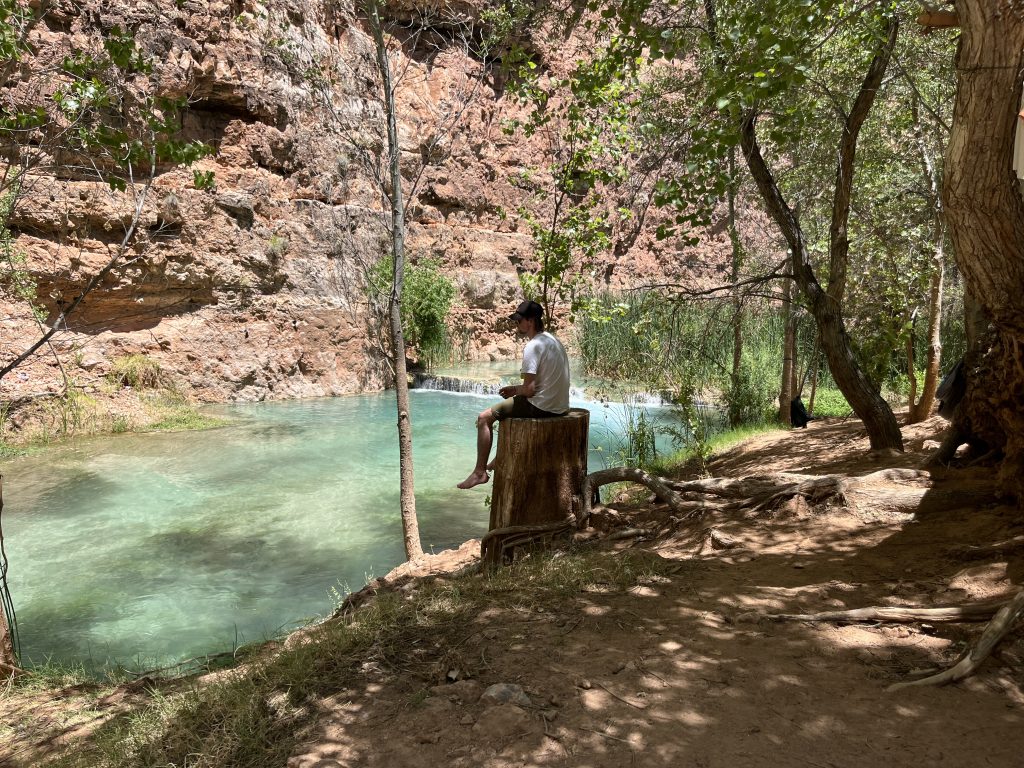
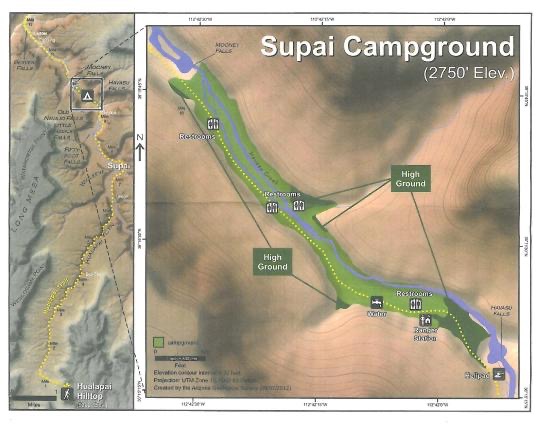
The Havasupai Campground is located between Havasu Falls and Mooney Falls, approximately 2 miles beyond Supai Village. The campground stretches for about one mile along both sides of Havasu Creek
Campsites work on a first-come, first-served basis and not all are created equal, so try to arrive early to choose the best spot.
- There are no designated campsites, so just pick a spot that works for your group.
- The campground is well shaded and generally hammock friendly.
- We had a great site right by the creek that accommodated four tents and a hammock along with a couple picnic tables.
🔥 We Use This: Rat Sack for Food Storage
Rodents will chew through your tent or backpack to get to food. Hanging your food in a proper bear bag or rat sack protects your gear and your entire food supply.
- Rat sack 👉🏾 Buy at: Amazon USA | Amazon Canada
- Bear bag 👉🏾 Buy at: Amazon USA | Amazon Canada
📌 Pro Tip: Hang your backpacks when not in use too — it’s not just about keeping rodents out. If a flash flood sweeps through camp, hanging your gear helps keep it secure and off the ground, reducing the risk of it being carried downstream.
🚻 Toilets and Hygiene
There are four sets of well- maintained composting toilets spaced throughout the campground. Each one is stocked with:
- Toilet paper
- Hand soap or sanitizer
💧 Drinking Water
A filtered spring (Fern Spring) is located on the left side of the campground, about one-third of the way through, near the first two sets of toilets
- Never drink untreated water from Havasu Creek or the waterfalls—parasites and bacteria can be present!
- The spring water is generally considered safe to drink, but the Havasupai Tribe recommends treating it by filtering, boiling, or purifying with tablets to be safe.
🔥 We Use These: Water Filters
A quality water filter keeps your water safe no matter where it comes from.
- Katadyn Be Free 1.0 L with activated carbon filter- Best for individual use
- 👉🏾 Buy at: Amazon USA | Amazon Canada | REI
- Platypus 4.0 L Gravity- Best for group camping
- 👉🏾 Buy at: Amazon USA | Amazon Canada | REI
🔥 Fire Rules
Absolutely no fires allowed at any time.
This includes:
- Campfires
- Charcoal grills
- Fireworks
Camp stoves are allowed for cooking, but always practice Leave No Trace principles and pack out all trash.
What to Pack for Havasupai
Packing for Havasupai depends on the season, whether you’re staying at the campground or the lodge, and how much weight you’re comfortable carrying. The hike involves long, exposed desert miles, limited services, and time spent around water near the falls.
Rather than repeating a full gear breakdown here, I’ve created a complete Havasupai packing list with item-by-item recommendations, seasonal considerations, and optional gear based on how you’re hiking. For a broader overview of backpacking gear systems and how to choose them, see Backpacking Essentials.
Pack Smarter. Hit the trail prepared.
🥾 Free Havasupai Packing List
This free packing list includes backpacking essentials, gear recommendations, and practical tips to help you pack confidently for Havasupai and Arizona’s changing conditions.

🥾 Complete Havasupai Planner
Feeling overwhelmed? The Complete Havasupai Planner brings everything together — permits, itineraries, campsite planning, food and water strategy, side hikes, and packing — so you can plan your trip with confidence instead of piecing it together from dozens of posts and forums.
Exploring the Waterfalls
The iconic turquoise blue waterfalls are the reason everyone goes to visit Havasupai
Havasu Falls
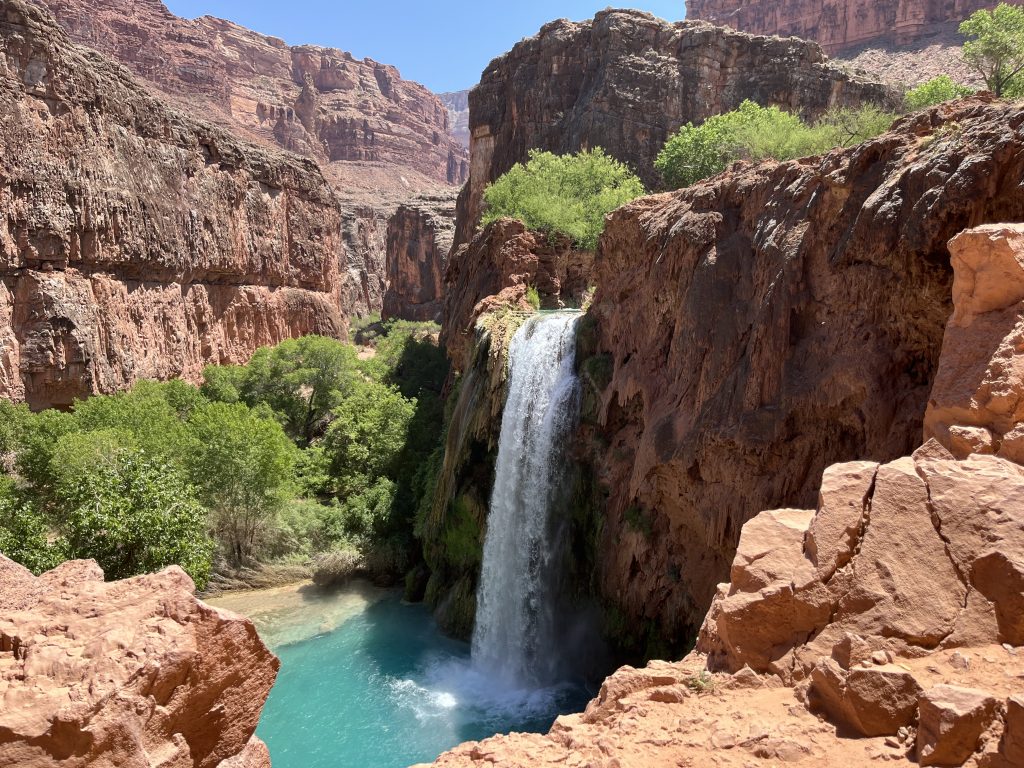
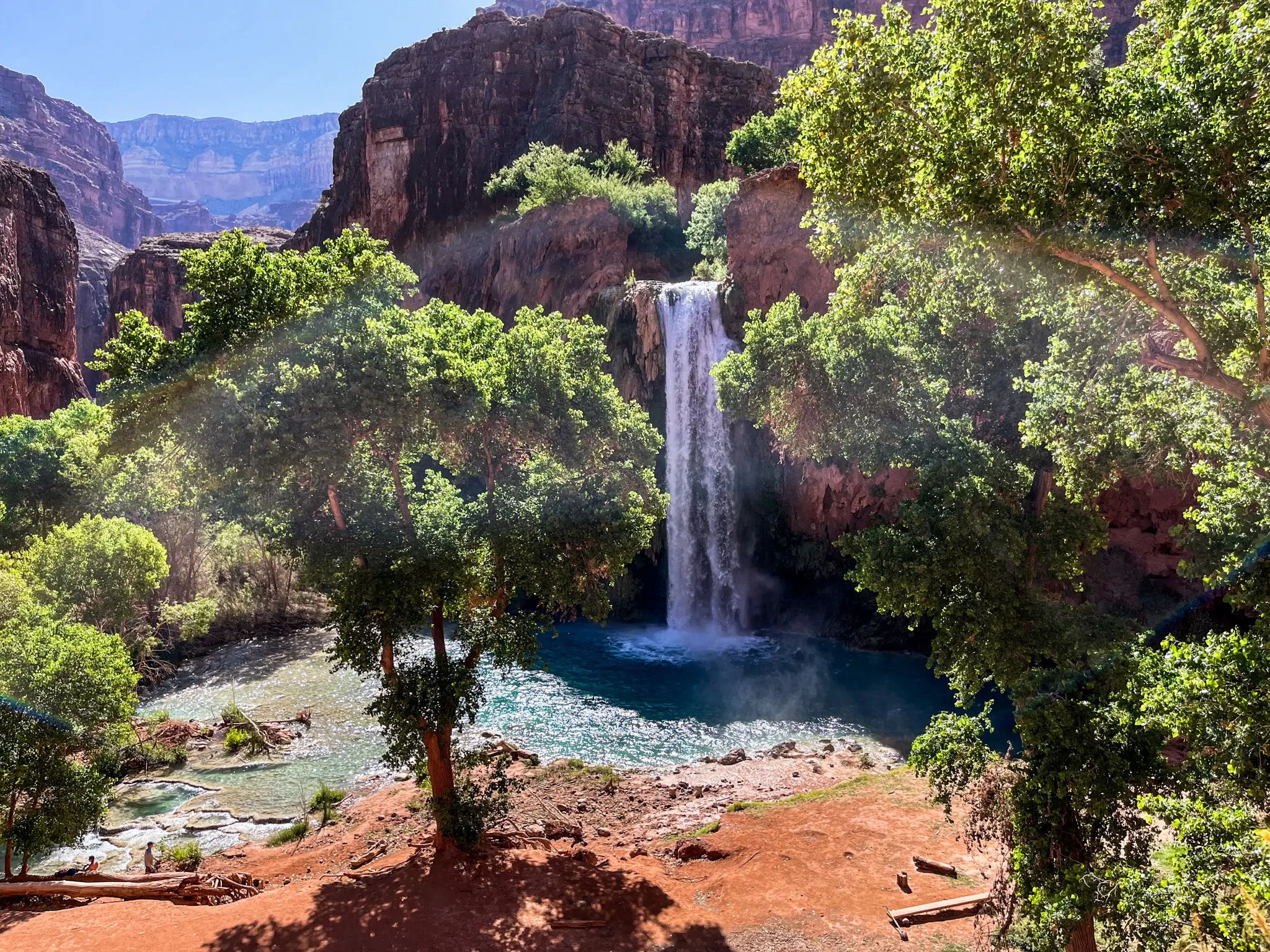
Havasu Falls is by far the most iconic and accessible waterfall in Havasupai. You can see it from the main trail, making it an awe inspiring first glimpse of the turquoise falls as you enter the campground area.
- A short, descending trail leads to the base of the falls, where you can swim, relax, and explore.
- The water is a refreshing 70°F (21°C) year-round, perfect for cooling off after a long hike.
- Ample shade from cottonwoods and canyon walls makes this a comfortable place to linger, even on hot days.
📌 Pro Tip: Visit early morning or late afternoon for the best light and less crowds.
Mooney Falls
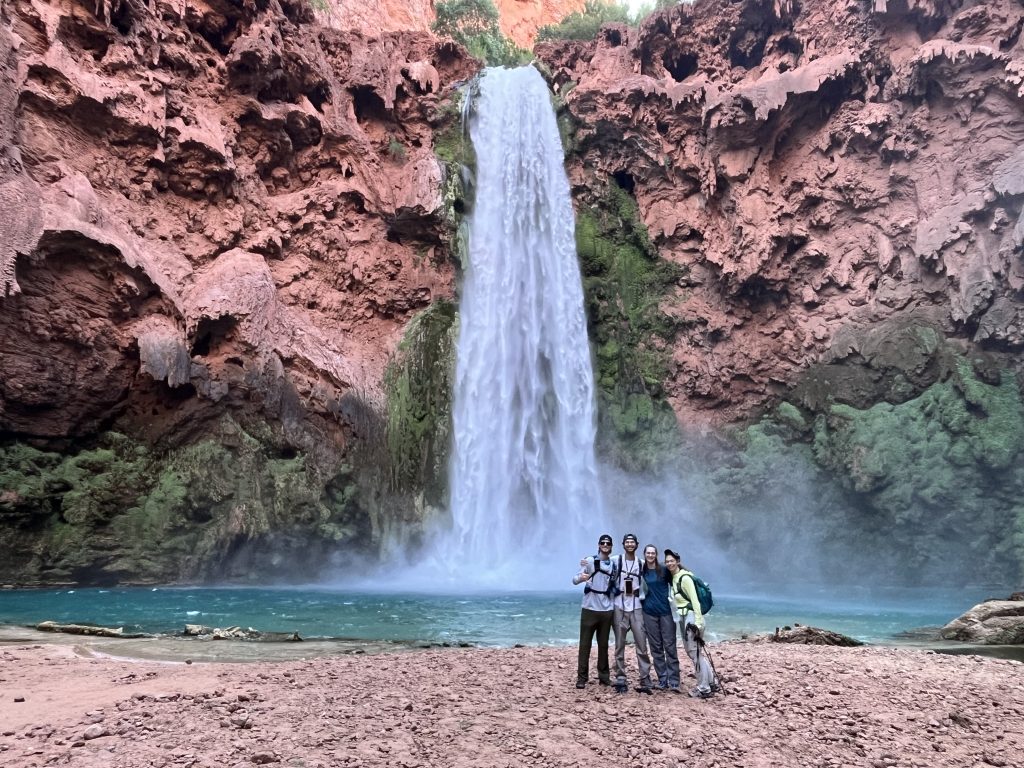
Located at the far end of the campground, Mooney Falls is the tallest waterfall in Havasupai, plunging nearly 200 feet in a stunning display of turquoise power.
- There’s a beautiful, easily accessible overlook at the top, perfect for photos or a quiet moment of awe.
- To reach the base, you’ll descend a steep, adventurous route involving narrow tunnels, chains, and ladders carved into the canyon wall—not for the faint of heart, but absolutely worth it!
- Mooney Falls marks the gateway to Beaver Falls and the Confluence.
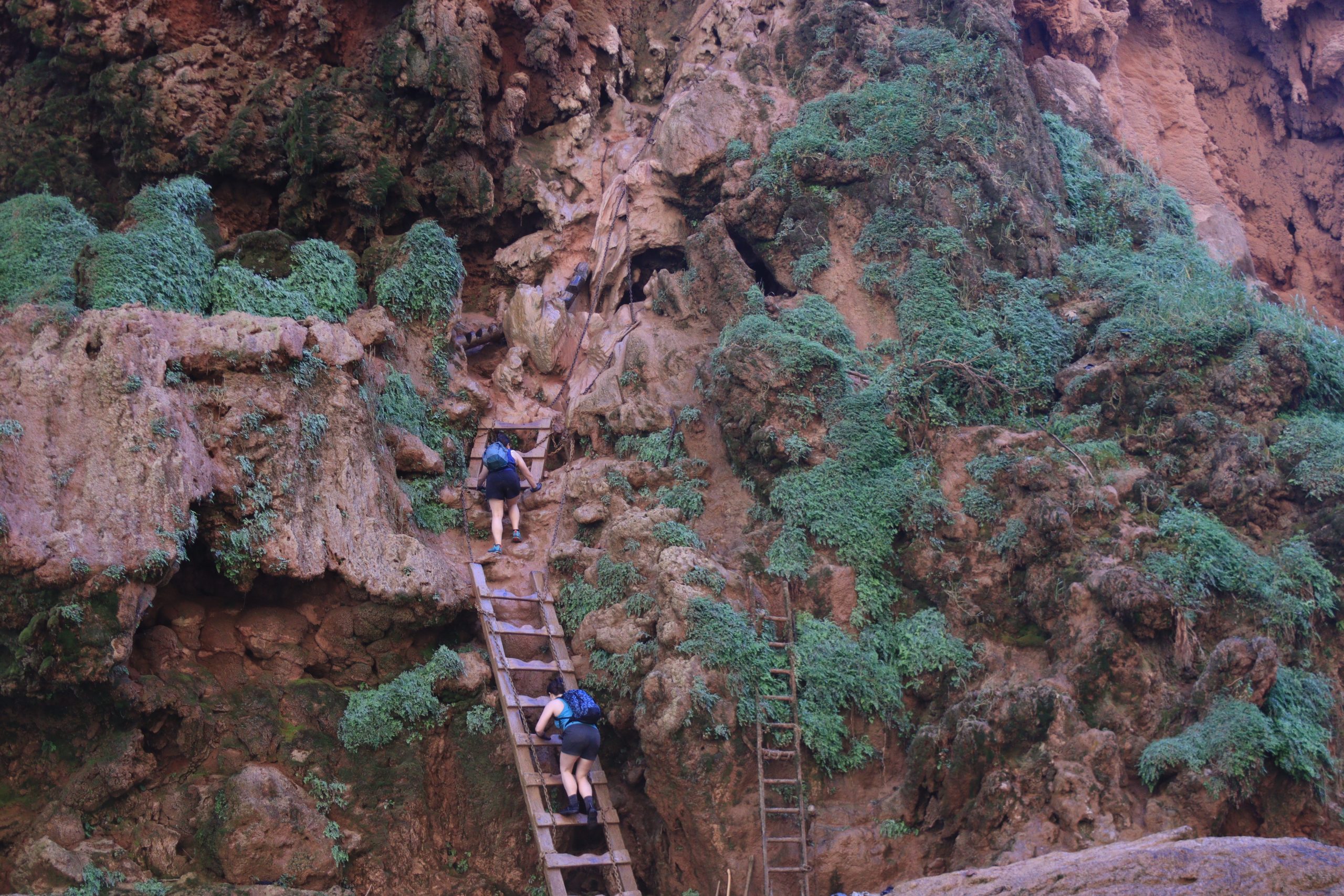
⚠️ Safety Tip: Take your time, wear grippy shoes and gloves, and use both hands—this descent is serious, especially when wet!
⚠️ If you’re scared of heights: Face the ladder and get someone to go before you that can guide your steps down the chains. Having someone tell you where the footholds are so you don’t have to look down is clutch!
This descent can look and feel scary, but it is completely doable! Our group had a couple people that are scared of heights and were worried about the descent, but they all made it down and loved their time at the bottom.
If someone ahead or behind you in the line is struggling with the descent, please be kind and patient! Encouragement and teamwork will bring everyone up and down the chains safely.
📌 Pro Tip: The descent is single file, so arrive early in the morning or later in the afternoon to avoid a long wait to get down. Do not try to ascend or descend in the dark.
Beaver Falls
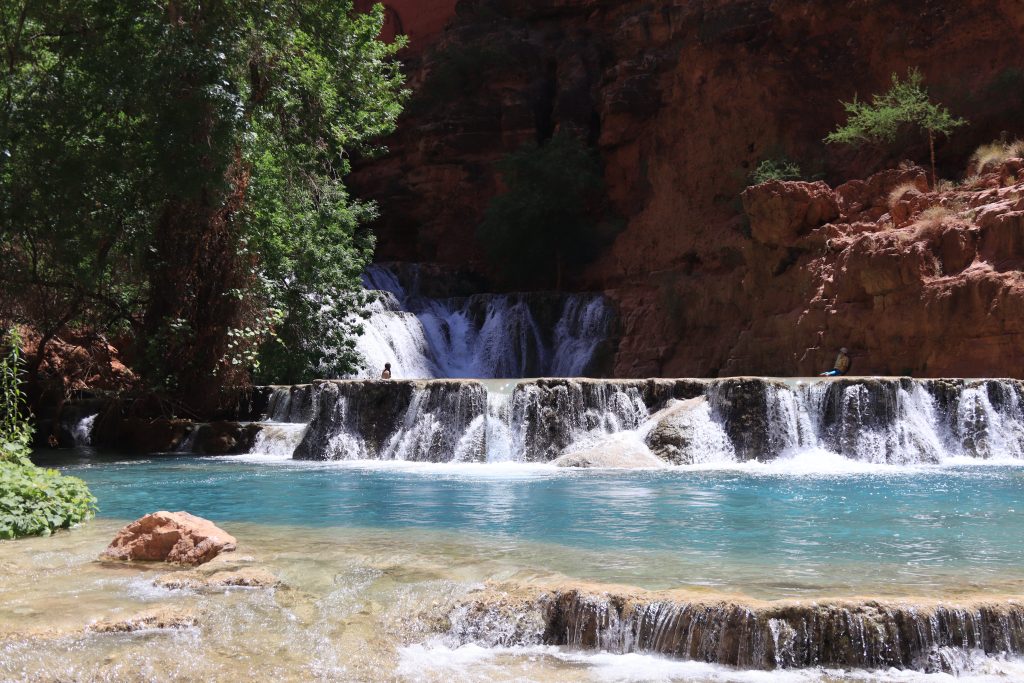
Beaver Falls is the crown jewel of Havasupai—a series of stunning turquoise cascading waterfalls nestled deep within the canyon. This oasis retreat beckons photographers, hikers, and adventurers alike with Instagram-worthy pools, lush vegetation, and towering red rock walls. Beaver Falls never fails to deliver!
The hike in is technical and adventurous featuring:
- 2.5 -3 miles (4-4.8km) one way
- 500-960 feet (150-290 meters) elevation gain
- Rock scrambling
- Ladder climbing
- Multiple river crossings (up to waist deep)
- Steep descent into Mooney with narrow tunnels, chains, and laddders
The journey to Beaver Falls is beautiful, challenging, technical, a whole lot of fun—and absolutely worth every step!
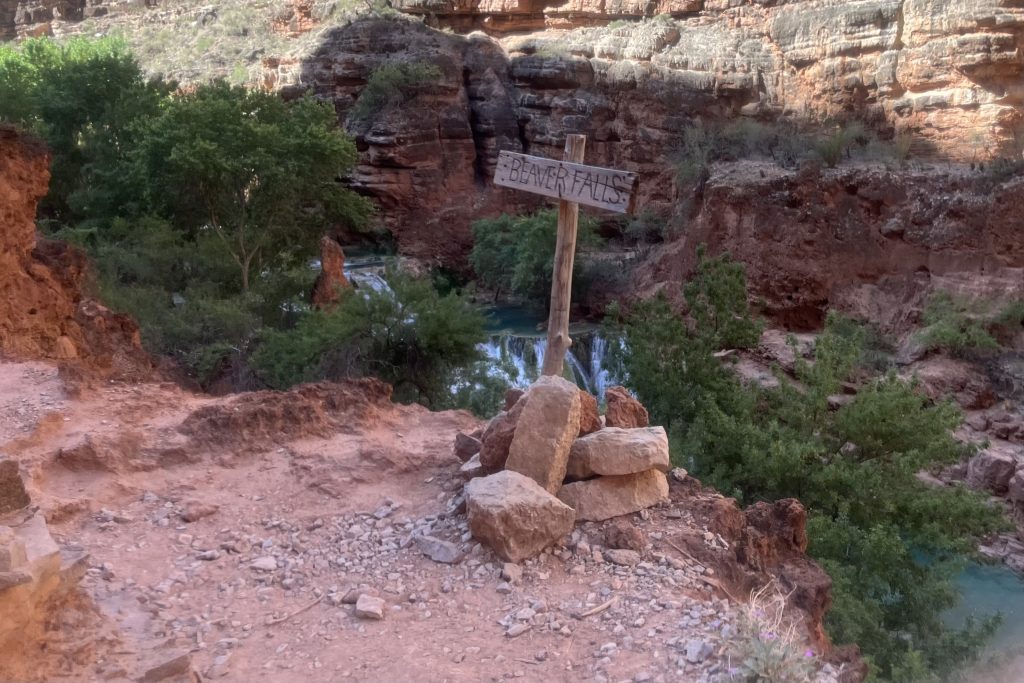
There are multiple beautiful cascades on the way to Beaver Falls that look like they could be the Promised Land, but when you finally arrive there will be a sign.
📌 Pro Tip: Leave early, wear grippy shoes, and make sure you have good water shoes and toe socks to prevent blisters from the river crossings.
The Confluence
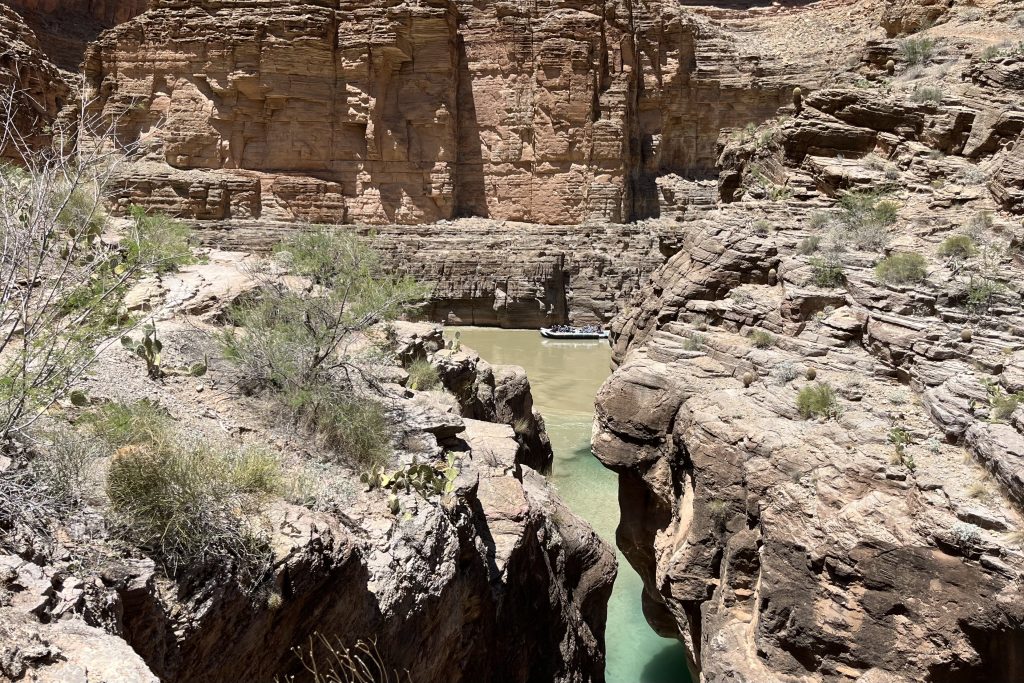
The Havasupai Confluence is the junction between the Havasu Creek and the mighty Colorado River. The trail continues another 6 miles (10 kms) one way past Beaver Falls. From the top of Mooney Falls to the Confluence and back we clocked 18.75 miles (30 kms), according to AllTrails.
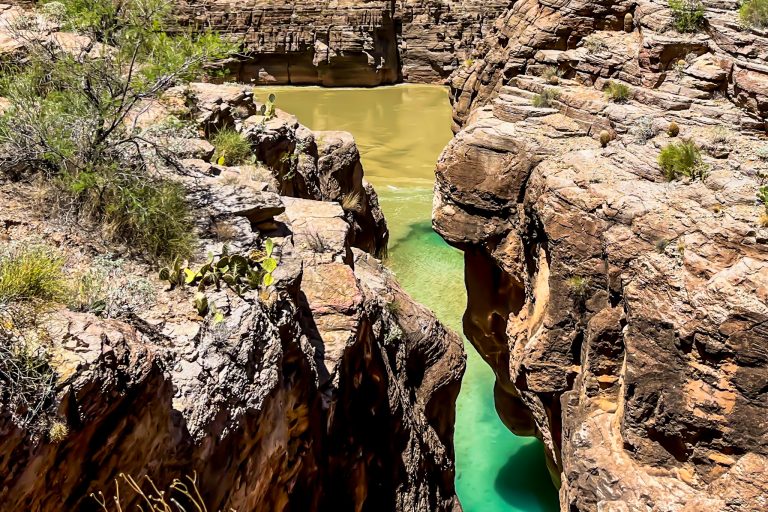
After Beaver Falls the trail leaves Havasupai Tribal Land and enters the Grand Canyon National Park. This route is reserved for hardcore adventurers—those who want to experience it all and have the endurance for a long, technical, and demanding trek.
All of the adventurous features of the Beaver Falls hike continue on to the Confluence peaking with a chest deep water crossing and tunnel scramble about 1/2 mile (800 meters) from the finish.
🔥 We Use This: Food Thermos
Before you hit the trail, prep a hot lunch and pack it in a high-quality food thermos. After hours of hiking, there’s nothing better than opening your pack to find a warm, ready-to-eat meal waiting for you at the Confluence.
They are lightweight, durable, and keep your food warm for hours.
👉🏾 Buy at: Amazon USA | Amazon Canada | REI
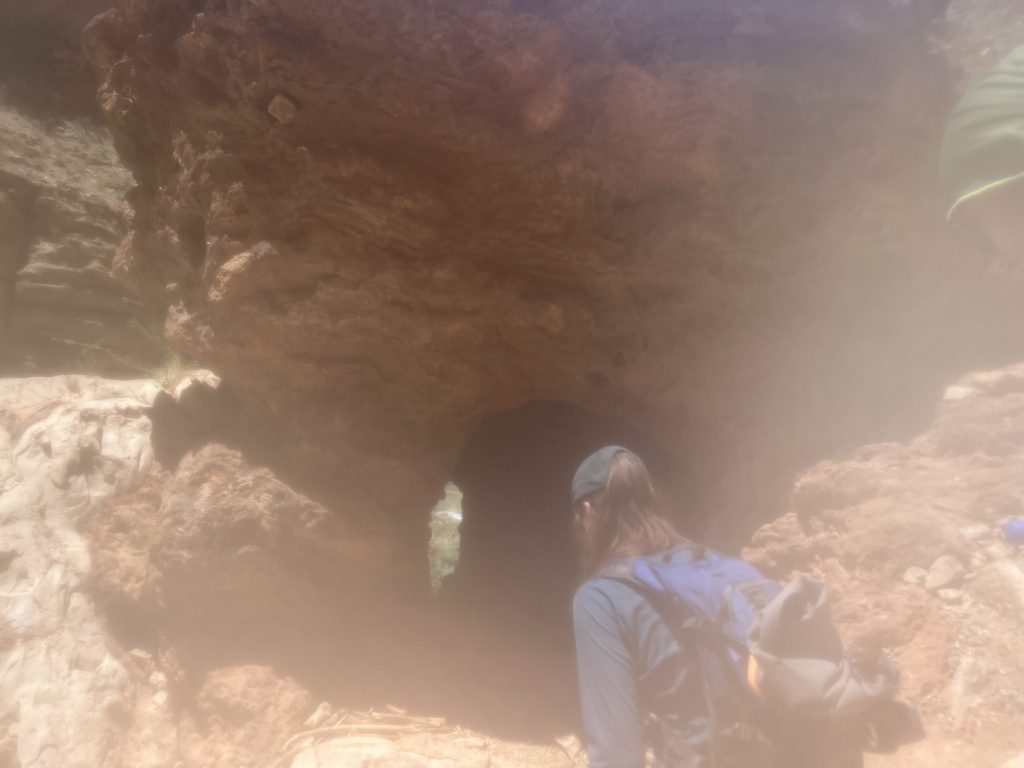
Here, the towering walls of Zion’s Narrows, the tropical greenery of Hawaii, and the turquoise clarity of Lake Louise converge on one unforgettable trail—offering awe-inspiring, epic views from start to finish.
Hidden Falls
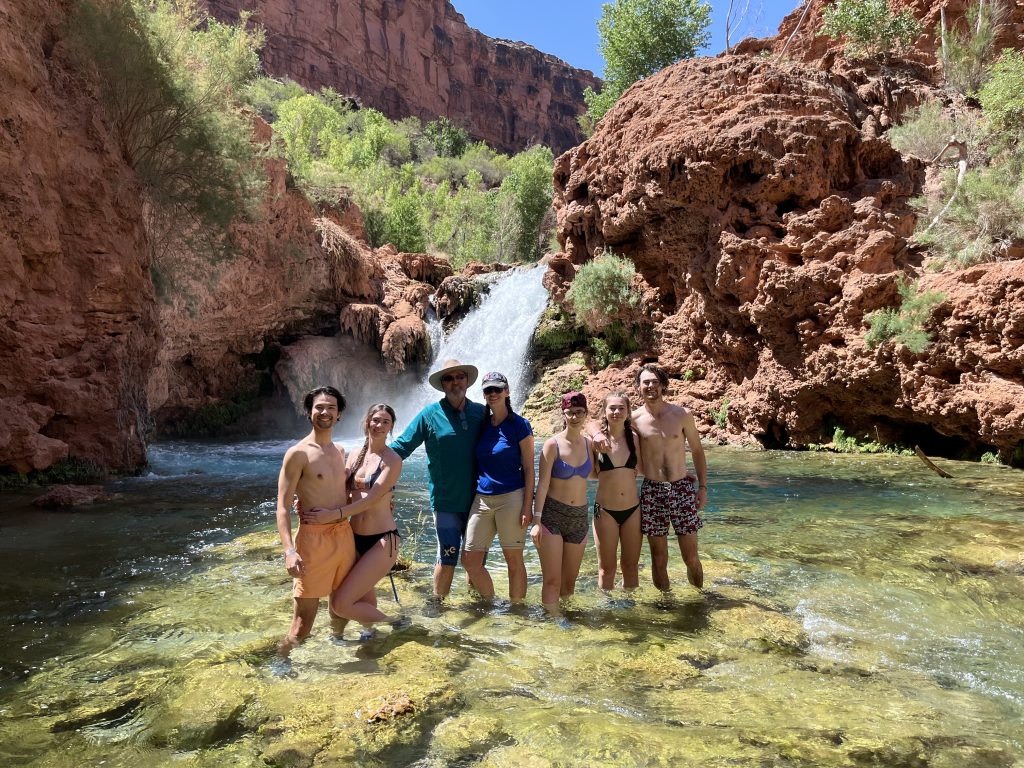
Just a ten-minute walk from the top of Havasu Falls, a short scramble leads you down to the creek where you’ll spot a small sign reading Hidden Falls. From there, a shallow river crossing and about 1/4 mile (400 m) of mild scrambling will bring you to this secluded oasis.
Hidden Falls features a peaceful swimming area, gentle cascading pools, and large rocks perfect for lounging in the sun. It’s a true hidden gem—offering a refreshing and scenic escape with minimal effort, making it one of the easiest yet still rewarding detours in Havasupai.
Navajo Falls
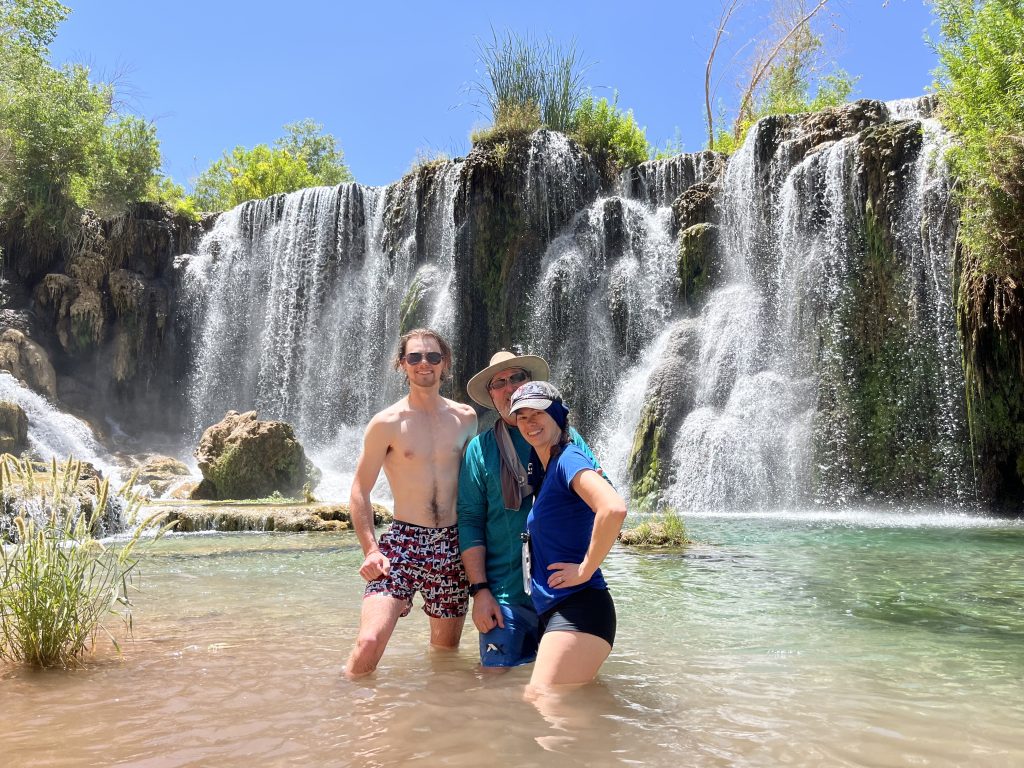
After visiting Hidden Falls, return to the main trail and continue hiking for about 10 minutes toward Supai Village. Keep an eye out for another trail leading down to the creek. At the bottom, you’ll see a sign for Navajo Falls.
A short scramble around a few boulders brings you to this scenic spot. Navajo Falls offers a shallow swimming area, a peaceful atmosphere, and large rocks perfect for relaxing in the sun. It’s a great stop for cooling off and soaking in the canyon’s serenity without venturing far off the beaten path.
Fifty Foot Falls
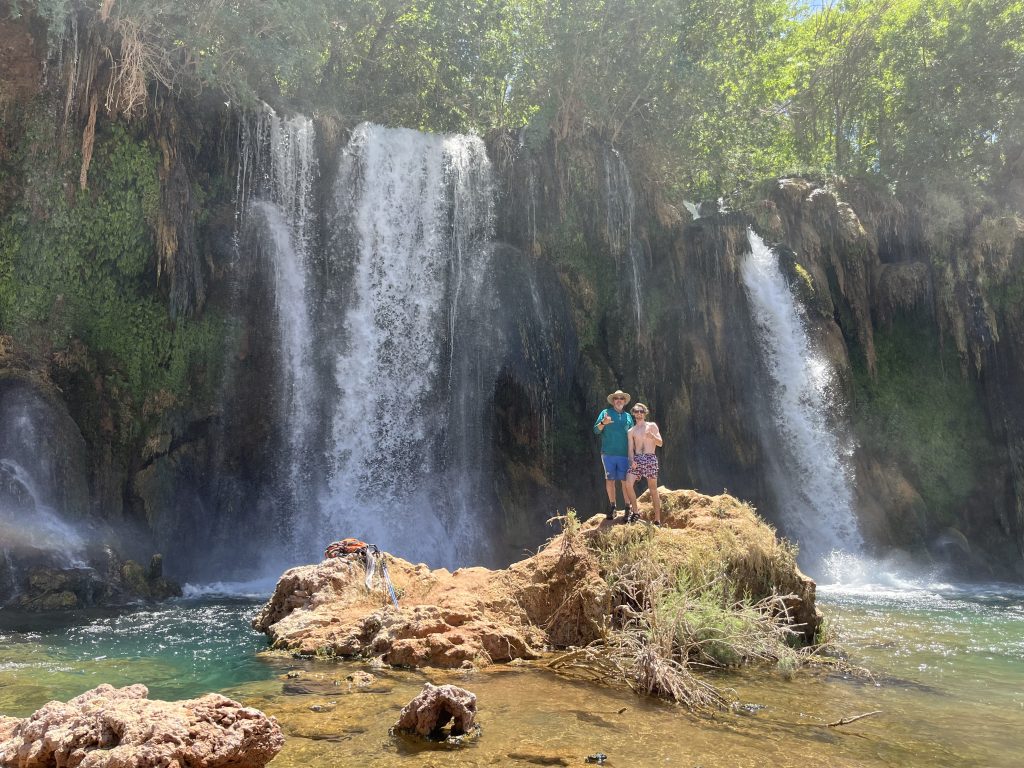
Fifty Foot Falls was one of our absolute favorites. From Navajo Falls, scramble back across the same boulders, but instead of returning to the main trail, follow the Navajo trail. You’ll spot a few “Trail” signs with arrows guiding you toward Fifty Foot Falls.
These falls are known for having the warmest water in the canyon and offer plenty of space to explore nearby cascades and quiet corners. With fewer crowds and expansive surroundings, it’s an ideal place to unwind, take a dip, and soak in the natural beauty of Havasupai.
📌 Pro Tip: Between Navajo Falls and Fifty Foot Falls are some fun pools perfect for a quick dip and cool down.
Key Things to Know Before You Pack
1. There is no water between the trailhead and Supai Village
All water for the hike in and out must be carried from the trailhead. This is one of the most important packing considerations for Havasupai, especially in warmer months.
2. Heat management matters more than technical terrain
The main trail in and out of the canyon is not technical, but it is long, exposed, and often hot. Sun protection, hydration capacity, and breathable gear matter more here than rugged mountain durability.
3. Camping requires a full overnight setup
If you’re staying at the campground, you’ll need to carry your full sleep system and cooking gear. There are no shared kitchens or communal equipment available.
4. Side hikes involve water and uneven terrain
While the main trail is dry, hikes to Beaver Falls and the Confluence involve creek crossings, slick rock, and time spent in and around water. Plan footwear and water treatment accordingly.
5. Food options are limited
There are only limited places to buy food in Supai, and availability can change. Plan to carry the majority of your food for the trip.
📌 Pro Tip: Camp-Only Clothes
Pack one completely dry set of clothes in a waterproof bag and don’t hike in them. After a hot, dusty day—or time spent in the water—having something dry to change into makes a big difference.
For a full, item-by-item breakdown with seasonal guidance and specific gear recommendations, see the Havasupai Packing List.
Safety and Tips
Hydration and Heat Awareness
Hiking in Havasupai — especially during spring, summer, and fall — often means contending with high temperatures and intense sun exposure. Proper hydration and heat management are absolutely essential for your safety and comfort.
☀️ Essentials for Staying Safe in the Heat:
- Bring plenty of water
- Minimum: 3–4 liters per person for the hike in/out
- Double that for full-day hikes like Beaver Falls or the Confluence
- Add electrolytes to your water or snacks
- Helps prevent dehydration and muscle cramps
- Consider electrolyte powders, tablets, or sports drinks
- Pack salty and high-protein snacks
- Protein bars, trail mix, nuts, jerky, granola, and electrolyte chews help maintain energy and sodium levels
- Use sun protection
- Sunscreen (SPF 30+), reapplied every 2 hours
- Lip balm with SPF
- Sunglasses with UV protection
- Wide-brim hat and sun-protective clothing
- Know the signs of heat illness:
- Early signs: headache, dizziness, excessive sweating
- Severe signs: nausea, confusion, no longer sweating — seek shade and rehydrate immediately
Flash Flood Risks – What to Watch For
The narrow Havasu Canyon acts like a funnel, making flash floods fast, forceful, and hard to escape. Even if it’s sunny in Supai or at the campground, storms upstream (like on the Hualapai Plateau) can trigger floods hours later. Major floods in 2008, 2010, 2018, 2021, 2024, and 2025 caused evacuations, damage to the trail, and temporary closures. For a full breakdown of flash flood warning signs and how to stay safe, check out our guide on flash flood safety.
When Flash Floods Are Most Likely
- Monsoon season: Late June to September is the highest risk.
- Afternoons: Most desert thunderstorms form in the late afternoon.
High-Risk Areas on the Trail
- Havasu Creek crossings: Especially between Mooney Falls and Beaver Falls.
- Canyon narrows: Anywhere water would rise quickly with no natural exit.
- Ladders and chains near Mooney Falls: Dangerous and slippery in wet conditions—extremely risky during rising water.
Emergency Actions
- ⚠️ If water starts rising: Immediately climb to higher ground. Don’t try to outrun a flood through the canyon.
- 📍 If possible, mark your GPS location and attempt to communicate via satellite messenger (Garmin InReach, Zoleo, etc.).
- 🚨 Follow instructions from Supai guides or rangers—your safety depends on fast compliance.
Respecting Supai Village and the Havasupai Tribe
When visiting Havasupai, it’s essential to remember that we are guests on land that has been home to the Havasupai people for centuries. The canyon is more than a hiking destination—it’s a sacred place, rich in cultural, spiritual, and historical significance.
Please respect both the land and the community:
- 📸 Do not take photos of the Supai people or the village. Photography of residents and private spaces is strictly prohibited to protect their privacy and culture.
- 🧹 Pack out everything you bring in. Havasupai has no public trash service, and waste removal is costly and labor-intensive for the community.
- 🚯 Leave no trace. This means no garbage, no gear left behind, and no damage to natural features or campsites.
- 🦶🏻 Stay on marked trails and follow all posted signs and guidance from local authorities.
- 🚫 No drones allowed
- 🏕️ Camp only in the designated campground
Unfortunately, there are areas along the trail where hikers have abandoned gear or trash, assuming someone else will deal with it. This behavior is harmful and disrespectful. Please be different. Leave the canyon better than you found it.
Cell Service
There is limited cell service in the canyon. We were able to consistently get cell service at the cafe in the village and at the top of Mooney Falls. Otherwise service was spotty at best and often times nonexistent.
- Make sure to bring a printed or downloaded map
- Consider bringing a satellite communication device like:
The Hike Out
The hike out of Havasupai is long and challenging—especially the final two miles, which climb steeply up a series of switchbacks to Hualapai Hilltop. This section is very strenuous, and tackling it in the heat can be dangerous.
- 🕓 Experienced hikers typically take 4–6 hours to hike out.
- 🕖 Average hikers, especially those carrying heavy packs or fatigued from earlier hikes, may take 6–8+ hours.
- ☀️ The last two miles are fully exposed, making heat a serious factor.
🌄 An early start is crucial. Many hikers begin the hike out between 2–4 a.m. to reach the top before the sun rises over the canyon rim and bakes the switchbacks.
Headlamps are essential, and this early start can be the difference between a tough hike and a miserable (or dangerous) one.
📌 Pro Tip: Avoid lingering at the campground on your final morning during the hot months. Hydrate well, pack the night before, and set your alarm early—it’s worth it.
Know Your Limits
One of the most important—and often overlooked—aspects of staying safe while hiking in Havasupai is knowing your limits. The desert environment is demanding, and overestimating your ability can lead to dangerous situations.
Plan conservatively and hike smart:
- 🕓 Know how long it will take you to hike out. Factor in your pace, pack weight, rest stops, and the heat.
- 💧 Bring enough water—at least 3–4 liters for the hike out. There are no water sources once you leave the village.
- ⚡ Pack electrolytes and high-energy snacks to stay fueled and avoid dehydration or heat exhaustion.
- 🧥 Dress in layers. Early morning temps can be chilly, but the canyon heats up quickly—especially on the exposed switchbacks.
- 🧳 Consider using mules or the helicopter service if you’re unsure about your ability to complete the hike.
There’s no shame in using the support services available. They not only help keep you safe—they also support the local Havasupai community.
Havasupai Trail Wrap Up
This was a long-awaited, bucket list trip for our family. Honestly, I had moments when I wondered if Havasupai would be worth the cost and effort, but it absolutely delivered. From breathtaking scenery at every turn to the incredible sense of community formed on the trail, every moment was unforgettable.
It’s the kind of adventure that doesn’t just give you beautiful views — it leaves you with core memories and a lasting sense of awe, humility, and gratitude to the One that gives us these amazing natural wonders and the privilege to experience them. We are blessed beyond measure to witness this testament to God’s creative handiwork together.
Planning and preparation are essential for a successful Havasupai trip. Bring the right gear, clothing, and safety essentials — and if you’re unsure about your abilities, begin training well in advance. Building strength and endurance months ahead can make all the difference. The more you prepare, the more you’ll be able to enjoy every moment once you’re there.
This is one of the most breathtaking and highly anticipated trips we’ve ever taken. The landscape is awe-inspiring, and the sense of community built along the way is truly unmatched. As visitors, we have a responsibility to care for this sacred land. Respect the Havasupai people, and help preserve its beauty for future generations: stay on designated trails, pack out all trash, and follow Leave No Trace principles.
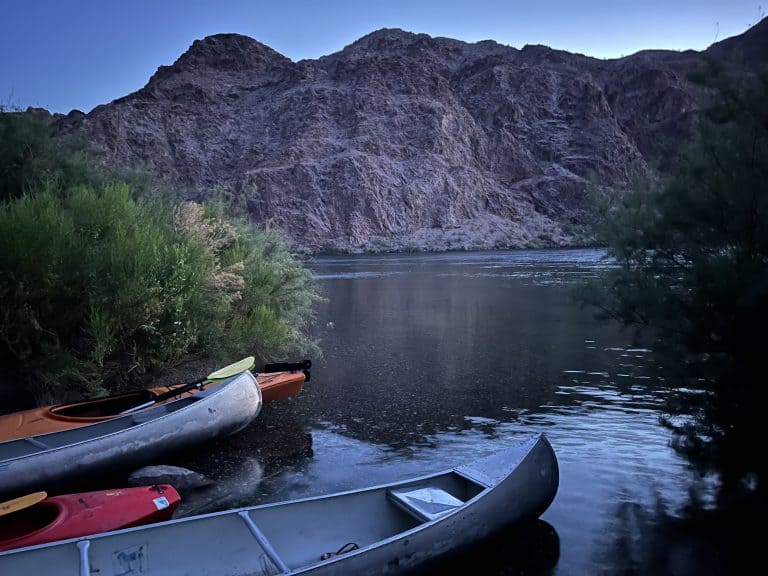
The magic of Havasupai will stay with you long after you’ve left the turquoise waters and towering canyon walls behind. For us, that magic carried into our next adventure—a Black Canyon self guided kayaking trip—where we traded waterfalls for hot springs, and hiking boots for paddles on the emerald Colorado River